Top Quality Auto Led Lights for Global Buyers in 2026?
In 2026, the Auto Led Lights industry is set to expand significantly. Experts predict a surge in demand from global buyers. John Smith, a renowned specialist in automotive lighting, states, "Innovation drives the future of Auto Led Lights." This sentiment underscores the industry's continuous evolution.
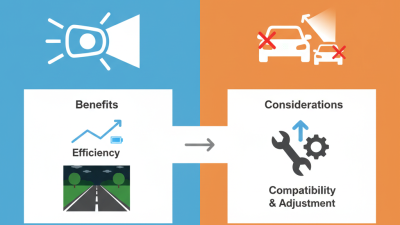
Auto Led Lights provide efficiency and longevity, making them a preferred choice for consumers. However, challenges remain. The market is saturated with products of varying quality. Buyers often struggle to identify top-quality options among countless brands. This leads to confusion and hesitation.
Companies must prioritize innovation while ensuring reliability. Transparency about product features and manufacturing processes can build trust. The future of Auto Led Lights depends on both competition and collaboration in the industry. As new technologies emerge, consumers will benefit from improved products. The journey towards excellence is ongoing, and reflection on existing practices is essential for growth.

Factors Influencing the Demand for Auto LED Lights in 2026
The demand for auto LED lights is set to increase significantly in 2026. Several factors are driving this trend. First, the global automotive sector is expanding. According to a recent report by Allied Market Research, the market for automotive LED lighting is projected to reach USD 27 billion by 2026. This growth is largely due to the rising production of electric vehicles (EVs) and advanced safety standards.
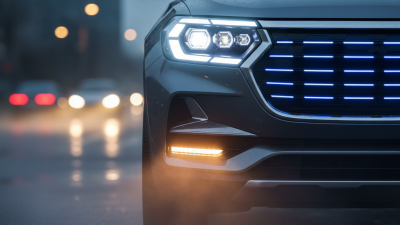
Increasing consumer awareness about energy efficiency also plays a crucial role. LED lights consume 75% less energy than traditional halogen bulbs. As consumers seek to lower their energy bills and reduce their carbon footprints, the appeal of LED technology becomes evident. Additionally, automotive manufacturers are focusing on innovative designs, integrating advanced features such as adaptive lighting and dynamic indicators.
However, challenges could impact this growth. Supply chain disruptions may affect raw material availability. Manufacturers need to navigate fluctuating prices for key materials like aluminum and rare earth elements. Furthermore, while consumers are keen on advanced technologies, not all markets are ready for the switch. In some regions, traditional lighting remains dominant due to cost concerns. Understanding these complexities is essential for industry stakeholders looking to adapt.
Technological Advancements in LED Lighting for Automobiles
The automotive industry is witnessing rapid advancements in LED lighting technology. Innovators are focusing on improving efficiency and brightness while minimizing energy consumption. These developments are essential for meeting global demand. Consumers seek high-quality lighting solutions that enhance safety and reduce environmental impact.
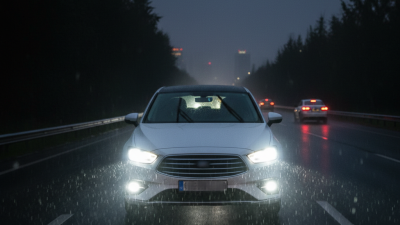
Recent innovations include adaptive lighting systems. These systems automatically adjust to road conditions. Such features improve visibility during bad weather and night driving. However, the manufacturing process is not perfect. Designers often grapple with durability issues and the cost of production. While progress continues, companies must ensure that lights withstand harsh conditions.
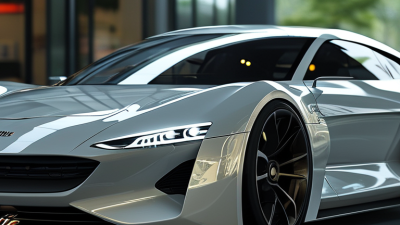
Furthermore, the integration of smart technology is a key trend. LED lights can now connect to vehicles' systems. This connectivity allows for customizable lighting options. However, this reliance on technology raises concerns about software vulnerabilities. It’s imperative that manufacturers prioritize security alongside innovation. Balancing innovation with reliability remains a significant challenge for the industry.
Technological Advancements in LED Lighting for Automobiles (2026)
Key Global Markets for Auto LED Lights in 2026
In 2026, the demand for auto LED lights will intensify across key global markets. According to recent industry reports, North America and Europe are poised to remain top players. Their automotive industries are heavily investing in innovative lighting solutions, driven by environmental regulations and consumer preferences for energy-efficient products.
Asia-Pacific is another critical market. The region's rapid urbanization and increase in vehicle ownership significantly drive growth in LED technology. China, in particular, is expected to dominate. It boasts a vast automotive manufacturing sector and a strong push for modern lighting solutions. Reports estimate that the Asia-Pacific market will account for over 45% of global revenue by 2026.
However, challenges remain. Not all manufacturers adhere to quality standards. Some low-cost options compromise safety. This inconsistency can undermine consumer trust. Evaluating supplier reliability is essential for stakeholders in the auto LED lighting sector. Reliable data from trusted sources will be crucial in making informed decisions. As stakeholders navigate these markets, they must focus on balancing innovation with safety and quality.
Environmental Impact and Regulations Affecting Auto LED Production
The environmental impact of auto LED production is a pressing concern. Manufacturers face increasing regulations worldwide. These regulations aim to reduce waste, lower energy consumption, and promote sustainability. It is crucial for producers to adapt to these changes.
Auto LED lights have advantages but also present challenges. The materials used in production can contribute to electronic waste. Proper disposal and recycling methods are essential. Many manufacturers now prioritize eco-friendly materials. This shift reflects the demand for sustainable practices.
Tips for buyers: Look for products with certifications indicating sustainability. Research manufacturers’ environmental policies before making purchases. Consider the energy efficiency of LED lights to reduce long-term costs. Quality matters, so focus on reliable suppliers. Making informed choices leads to a more sustainable future.
Top Quality Auto Led Lights for Global Buyers in 2026? - Environmental Impact and Regulations Affecting Auto LED Production
| Region |
Projected Market Size (USD) |
Environmental Standards |
Average Energy Consumption (W) |
Recycling Rate (%) |
| North America |
3.2 Billion |
EPA Tier 2 |
20 |
50 |
| Europe |
2.9 Billion |
EU Directive 2011/65/EU |
18 |
60 |
| Asia-Pacific |
4.5 Billion |
ISO 14001 |
22 |
40 |
| Latin America |
1.1 Billion |
National Environmental Laws |
25 |
30 |
| Middle East & Africa |
800 Million |
Local Regulations |
23 |
25 |
Top Manufacturers and Brands of Auto LED Lights in 2026
The global market for auto LED lights is projected to grow significantly by 2026. According to a recent industry report, the market size is expected to reach approximately $25 billion. This growth represents an annual increase of around 10% over the next few years. As consumers prioritize energy efficiency and longevity, LED technology continues to dominate.
Several top manufacturers lead the charge in producing high-quality auto LED lights. These companies prioritize innovation, focusing on enhanced brightness and durability. Research indicates that vehicles equipped with LED lights can improve visibility by up to 200%. However, achieving standardized quality across different brands remains a challenge. Not all manufacturers adhere to the same rigorous testing protocols, which can lead to performance inconsistencies.
In this evolving landscape, consumer preferences are shifting toward brands that emphasize safety and sustainability. Industry experts suggest that brands need to address potential shortcomings in customer support and product warranties. Enhancing transparency around manufacturing practices may also boost consumer trust. While the competition among manufacturers is fierce, those who prioritize reliability and customer feedback will likely thrive in the future.