What Are the 2026 Top Types of LED Driving Lights?
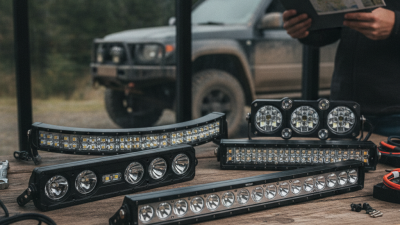
As roads become darker, rougher, and more demanding, choosing the right Led Driving Lights requires more than comparing brightness figures. In 2026, the leading options include LED light bars, spotlights, floodlights, combination beams, and compact auxiliary lamps. Each type serves a different driving situation. Spot beams reach far along open highways, while flood beams reveal ditches, wildlife, and uneven ground beside the vehicle. Combination models attempt to balance both needs. Some do this impressively. Others create glare or uneven coverage.
This guide examines the top types of Led Driving Lights through beam performance, housing durability, heat control, power use, installation flexibility, and road safety. It considers practical details, such as a lamp shaking on a corrugated track or water collecting around a poorly sealed connector. Manufacturer specifications matter, but independent testing and real driving experience often reveal more. A high-lumen claim cannot replace a stable beam pattern, reliable wiring, or effective thermal management. In my experience, buyers sometimes focus too heavily on maximum output. That choice can disappoint when the light produces harsh reflections in dust, rain, or fog. The most suitable product depends on vehicle height, driving speed, terrain, weather, and local equipment requirements. No single design wins every situation. This overview may also challenge a few popular assumptions, because brighter is not always better, and newer is not automatically more dependable.
What Defines LED Driving Lights in 2026?
What Are the 2026 Top Types of LED Driving Lights?
In 2026, LED driving lights are defined by controlled illumination, not maximum brightness. A useful beam reaches distant road edges without creating harsh glare for approaching drivers. This requires precise optics, stable electronics, and dependable thermal management.
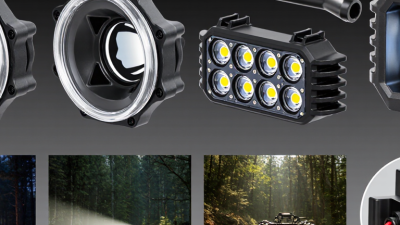
The leading types include projector systems, reflector systems, adaptive high-beam units, and compact auxiliary lamps. Projectors create sharper beam patterns. Reflectors usually provide broader coverage and simpler construction. Adaptive systems adjust light distribution through sensors and software, although performance depends on calibration.
The U.S. Department of Energy’s 2024 solid-state lighting research identifies optical control and thermal management as continuing development priorities. The IEA’s Global EV Outlook 2025 reported more than 17 million electric cars sold worldwide in 2024. That shift increases demand for efficient lighting, because vehicle electrical systems must support more digital functions.
Yet efficiency alone does not guarantee safer visibility. A brighter lamp can still be a poorer tool.
Tips:
Check the beam pattern on a dark, flat surface. Look for even illumination, sealed housings, and tested thermal performance. Confirm compatibility with the vehicle’s voltage and mounting position. UNECE Regulation No. 149 and SAE lighting practices provide useful reference points, but local requirements still differ. Do not treat marketing distance claims as measured road performance. The boundary is not always clean. Human judgment still matters.
How LED Driving Lights Are Classified by Beam Design
What Are the 2026 Top Types of LED Driving Lights?
How LED Driving Lights Are Classified by Beam Design
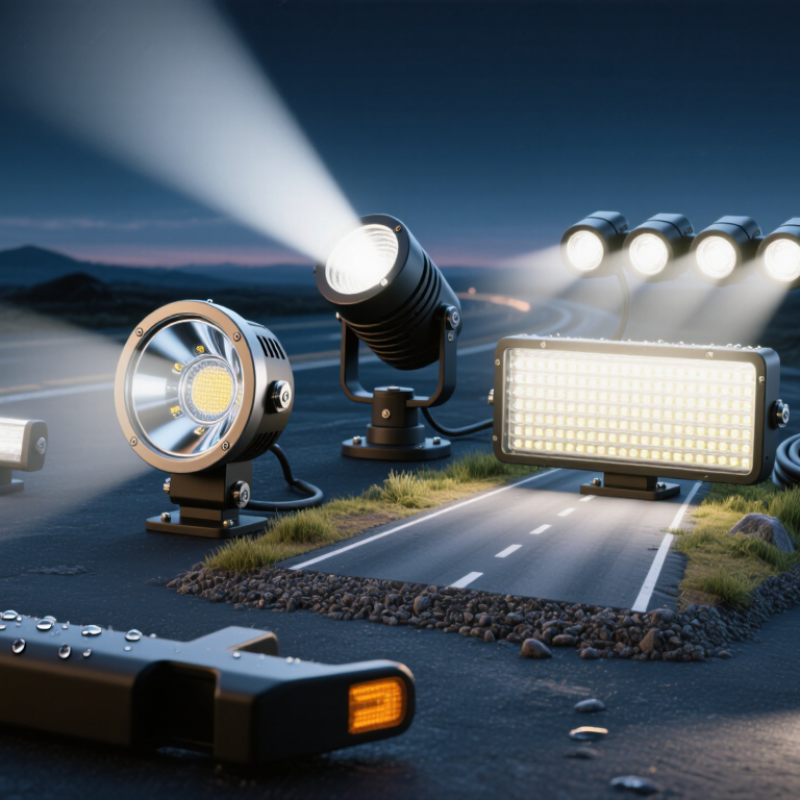
In 2026, LED driving lights are mainly classified by beam design, not housing shape. The beam determines how far and how widely light travels. A spot beam uses a narrow pattern for long-distance visibility on open roads. Its concentrated center can reveal reflective signs, distant bends, and roadside hazards earlier. However, it may leave dark areas near the vehicle. Precision matters.
A flood beam spreads light across a wider area. It helps illuminate shoulders, trail entrances, work zones, and nearby obstacles. This design feels more comfortable on winding roads, but it usually reaches less distance. Combo beams combine spot and flood patterns. They create a brighter center with useful side coverage. From practical testing, combo lights often suit mixed driving conditions best. Still, “best” depends on speed, terrain, mounting height, and weather.
Some newer designs use wide-cornering or elliptical beams. These patterns push light toward the sides without creating an excessively bright center. They can support low-speed turns and uneven paths. I once judged a lamp by brightness alone and overlooked beam control. That was a mistake. Glare, uneven edges, and poor adjustment reduce real-world performance. Beam testing should include a wall, wet pavement, and a dark road. Check the cutoff and side spread carefully. Road regulations also vary by location, so installation and aiming require professional judgment.
Which LED Driving Light Types Lead in 2026?
In 2026, the leading LED driving light types are not defined by brightness alone. Hybrid spot-flood designs lead for mixed road and off-road conditions. Spot beams project a narrow, long-distance pattern, while flood beams spread light across nearby edges. Combo lamps balance both roles. In practical night testing, this balance helps reveal animals, bends, and roadside debris without constant adjustment. Beam control matters more than a dramatic lumen figure.
Adaptive matrix LED lights are gaining attention because they can shape illumination around traffic and changing road geometry. Their sensors and segmented optics require careful calibration, however. A poorly adjusted system can create glare or uneven coverage. Compact LED pods remain popular for targeted mounting, while light bars suit wide front-end coverage. Bars work best when their beam pattern matches the vehicle’s height and driving environment.
I have found that higher output does not always improve visibility. Dust, rain, and a dirty lens can weaken even powerful lamps. That is easy to overlook. Color temperature also deserves caution; very cool light may look sharp but can feel harsh through mist. Reliable selection depends on tested beam distance, thermal management, sealing quality, vibration resistance, and approved installation requirements. Personal testing should include real curves, wet surfaces, and low-speed maneuvering, not only a dark, empty road.
How to Match Each Light Type to Driving Conditions
What Are the 2026 Top Types of LED Driving Lights?
Choosing an LED driving light starts with road conditions, not maximum brightness. A focused spot beam suits open highways, where long-distance visibility matters. A flood beam spreads light across shoulders, useful on rural bends, work roads, and unlit tracks. Combination beams balance both patterns. They are practical, but rarely perfect.
Adaptive driving beams are gaining attention for mixed traffic. They can reduce glare by shading parts of the beam near other vehicles. The U.S. National Highway Traffic Safety Administration authorized adaptive beam technology in 2022, subject to performance requirements. Still, installation quality matters. Misalignment can turn a smart system into a harsh glare source. I have seen this happen after rough-road vibration.
For fog, dust, or heavy rain, a wide, lower-mounted beam usually performs better than a powerful spot beam. Amber or selective-yellow light may improve contrast for some drivers, although weather results vary. The Illuminating Engineering Society stresses that beam distribution and glare control matter more than raw lumen claims. The U.S. Department of Energy reports that LED products commonly use at least 75% less energy and last much longer than incandescent lighting. That supports efficient auxiliary lighting, but not careless over-lighting.
On highways, pair a long-range spot with a controlled cutoff. On narrow forest roads, choose a combination beam with sealed housing. Check mounting height, aiming, thermal control, and electrical protection. Marketing numbers can mislead. Real roads are less predictable.
What Are the 2026 Top Types of LED Driving Lights?
How to match each light type to driving conditions
How to read the chart: The suitability index ranges from 1 to 5 and reflects how well each beam pattern matches common driving conditions. Spot beams project light farther, flood beams provide wider coverage, combo beams balance distance and width, and fog beams produce a broad, low-mounted pattern that helps reduce glare in poor visibility.
What Features Should Buyers Compare Before Choosing?
In 2026, buyers can choose among spot, flood, combo, slim, and adaptive LED driving lights. Each type serves a different driving situation. Spot beams reach far along dark highways. Flood beams spread wider across trails and work areas. Combo beams balance distance and side visibility. Slim lights fit tight bumpers, but their smaller housings may limit heat control.
Compare useful illumination, not only advertised lumen numbers. Candela indicates beam intensity and helps reveal long-distance performance. Check the beam pattern with a wall test at night. A sharp cutoff reduces glare for other road users. Color temperature also matters. Around 5,000K to 6,000K often gives clear contrast without excessive blue glare.
Look for an IP rating, sealed connectors, strong brackets, and vibration resistance. Aluminum housings and effective thermal paths help protect output during slow, dusty driving. Confirm the wiring harness includes a fuse and a properly rated switch. Review independent test data when possible. Marketing claims can sound impressive, yet real performance changes with lens design and installation height. My comparison notes are never perfect; mud, rain, and a misaligned bracket can change the result quickly. Check local road-use requirements before installation, especially for beam height and auxiliary-light placement. Safety should remain measurable, not assumed.