China Best Off Road Light Bar for Trucks
Truck owners choosing an Off Road Light Bar need more than a high wattage figure. On dark trails, a narrow beam may leave nearby obstacles hidden, while excessive glare can make dust and rain harder to see through. Beam shape, usable brightness, mounting strength, sealing, and heat control all matter. Small details matter.
The market is growing, but broad industry figures need careful interpretation. Grand View Research estimated the global automotive lighting market at USD 34.7 billion in 2023 and projected a 7.1% compound annual growth rate from 2024 to 2030. That report covers automotive lighting generally, not off-road bars alone. It signals investment in vehicle lighting, but it cannot prove that any particular bar performs well on a truck.
This guide examines China-made options through practical, verifiable criteria: beam patterns, published test details, housing materials, wiring, warranty terms, and supplier transparency. Look for clear specifications and independent evidence, not just impressive packaging. A bar’s advertised lumen count rarely tells the whole story. Ask how brightness was measured and whether the beam suits your driving conditions. There is an uncomfortable limitation: product listings do not always provide enough test information for a fair comparison. When evidence is missing, that uncertainty should be stated—not glossed over. The goal is to help buyers compare confidently and choose lighting suited to their vehicle, terrain, and responsible use.
What Defines an Off-Road Light Bar for Trucks
What Defines an Off-Road Light Bar for Trucks
An off-road light bar is defined by more than raw brightness. It must deliver a useful beam, tolerate vibration, and shed heat through a sealed housing. A broad flood pattern helps reveal nearby ruts and branches; a focused beam reaches farther along open trails. Mounting matters, too. A bracket that flexes on washboard roads can aim the light into the hood or sky. SAE J575 provides environmental test procedures for vehicle lighting devices, including vibration and moisture exposure. That is a better durability reference than a “rugged” label alone.
Check the protection rating and its test conditions. Under IEC 60529, an IP67 enclosure is dust-tight and tested for temporary immersion at up to one metre for 30 minutes. That does not promise survival under every muddy splash or pressure wash. Not a magic shield. Compare measured beam performance, current draw, and heat management, not just advertised lumen totals. A truck’s alternator and wiring need to handle the load, while the lens should remain clear after repeated temperature changes. One easy mistake is choosing the brightest option before checking beam shape. Bright can still mean glare, poor trail coverage, and wasted power.
Common Light Bar Designs and Truck Mounting Options
China Best Off Road Light Bar for Trucks
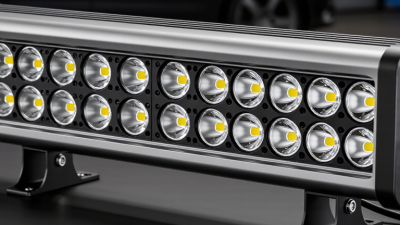
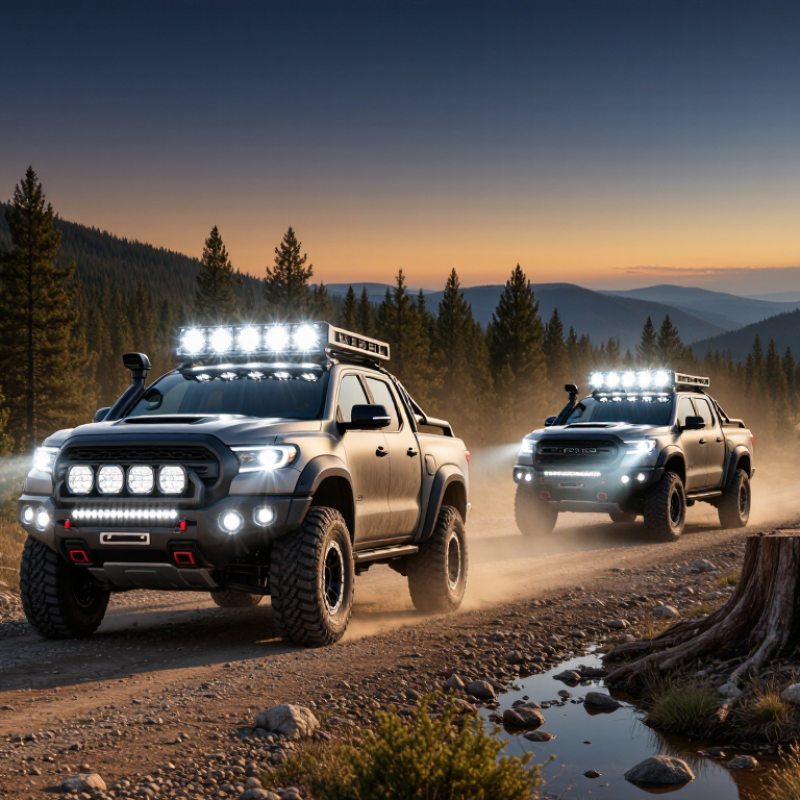
Truck light bars commonly use straight or curved housings, with single- or dual-row layouts. Straight bars often suit flat roof racks and bumper brackets. Curved bars can follow a windshield line, but a close visual fit does not guarantee a wider useful beam. Single-row models are usually slimmer, while dual-row designs need more space and may add weight. Beam choice matters. Spot optics reach farther along a trail; flood optics spread light across nearby ground. Combo patterns balance both, though dust and rain can still scatter light. Test the beam in a safe, familiar area.
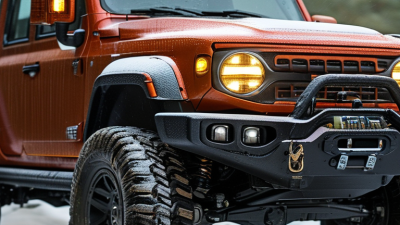
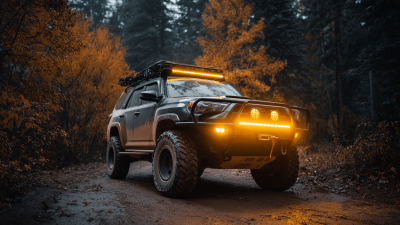
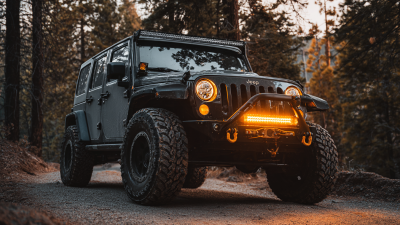
Mounting position affects clearance, vibration, and wiring. A roof mount gives a higher view, but check garage height and any rack load limits. A bumper mount keeps the bar lower and may expose it to stones. Measure twice. Use brackets that match the bar and truck, then recheck fasteners after rough driving. Route wiring away from hot parts, sharp edges, and moving components. Leave enough slack for service, but secure loose sections against rattling. Aim the bar so it lights the route without washing out the hood or mirrors. One detail is easy to overlook: the neatest-looking mount is not always the easiest to maintain.
How to Assess Chinese Manufacturers and Product Quality
When assessing Chinese off-road light bar manufacturers, request traceable test reports, not polished catalog claims. Ask for the exact model number, test date, laboratory name, and measured results. Then check that the report matches the sample you received. Small differences in wiring, seals, or lens material can matter.
The U.S. Department of Energy says LEDs use at least 75% less energy and can last up to 25 times longer than incandescent lighting. That comparison is general lighting data, not a guarantee for truck light bars. Use it as context, not proof. Ask manufacturers for measured power draw, beam pattern, and thermal test results. A simple bench check can reveal uneven brightness, flicker, or hot spots around the housing. Look for environmental testing against relevant methods, such as SAE J575, and verify what each test actually covered. For ingress protection, IEC 60529 defines IP6X as dust-tight; IPX7 covers temporary immersion up to one metre for 30 minutes. A rating alone does not prove long-term durability. I would still inspect cable glands and mounting points closely. They are easy to overlook. Ask for warranty terms and batch-level quality records, then compare the paperwork with the product in hand.
Installation, Safe Use, and Routine Maintenance of Light Bars
Before mounting a truck light bar, check the vehicle manual and choose a firm, level mounting point. A bracket that flexes on rough roads can loosen over time. Use hardware suited to the mount, then tighten it evenly. Small details matter. Route the wiring away from hot exhaust parts, sharp edges, and moving components. Use a correctly rated fuse and sealed connectors, following the light bar’s installation instructions. If the wiring diagram is unclear, ask a qualified technician rather than guessing.
After installation, test the lights while the truck is parked. Aim the beam so it lights the road ahead without shining into nearby windows or drivers’ eyes. Use the bar only when conditions make extra illumination useful, and switch it off around other traffic. Bright light can hide detail instead of improving visibility. That is easy to overlook.
Inspect the brackets, fasteners, cable insulation, and connectors regularly, especially after gravel-road trips or heavy rain. Wipe the lens with a soft cloth; abrasive cleaners may scratch it. Look for moisture inside the housing, flickering, or unusual heat. A tidy installation can still develop a loose connection, so a quick check is worthwhile. I would not assume a light bar is maintenance-free just because it still turns on.