Leave Your Message

What Is an LED Lightbar for Auto Use?

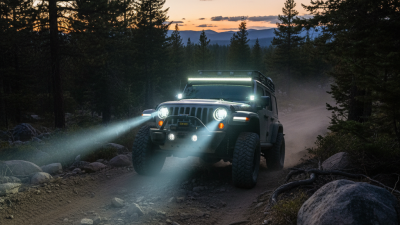
An LED lightbar for auto use is a compact auxiliary lighting system built around multiple light-emitting diodes. It creates a wide or focused beam for off-road trails, work sites, farms, and poorly lit private roads. Unlike a standard headlamp, a lightbar often combines spot and flood optics. The result can resemble a bright white wall across the terrain. That visual effect is useful, but it can also hide beam-control problems.

The term Led Lightbar Auto describes more than a bright accessory. It includes the housing, optics, heat sink, wiring, switch, relay, and mounting brackets. The U.S. Department of Energy’s Solid-State Lighting reports explain why LEDs offer high efficiency, long service life, and improved thermal performance. Yet brightness alone does not prove quality. The Insurance Institute for Highway Safety’s headlight evaluations repeatedly show that beam reach, glare, and distribution matter as much as output. SAE J575 also provides test methods for vehicle lighting equipment, while SAE J581 addresses auxiliary high-beam lamps. These references help buyers compare credible specifications.

A reliable lightbar should show measured lumens, beam angle, input voltage, ingress protection, and operating temperature. Look for sealed connectors and a rigid aluminum body. Small details matter. A loose bracket can shake the beam across the road. A poorly aimed unit can dazzle another driver within seconds. Road-use rules differ by location, so installation must follow local requirements and the vehicle manufacturer’s guidance. Some product claims seem impressive, but independent testing is still limited. That is worth admitting. This guide examines what LED lightbars do, where they work best, and how to select one responsibly.
What Is an LED Lightbar for Auto Use?

Definition and Core Purpose of an Automotive LED Lightbar

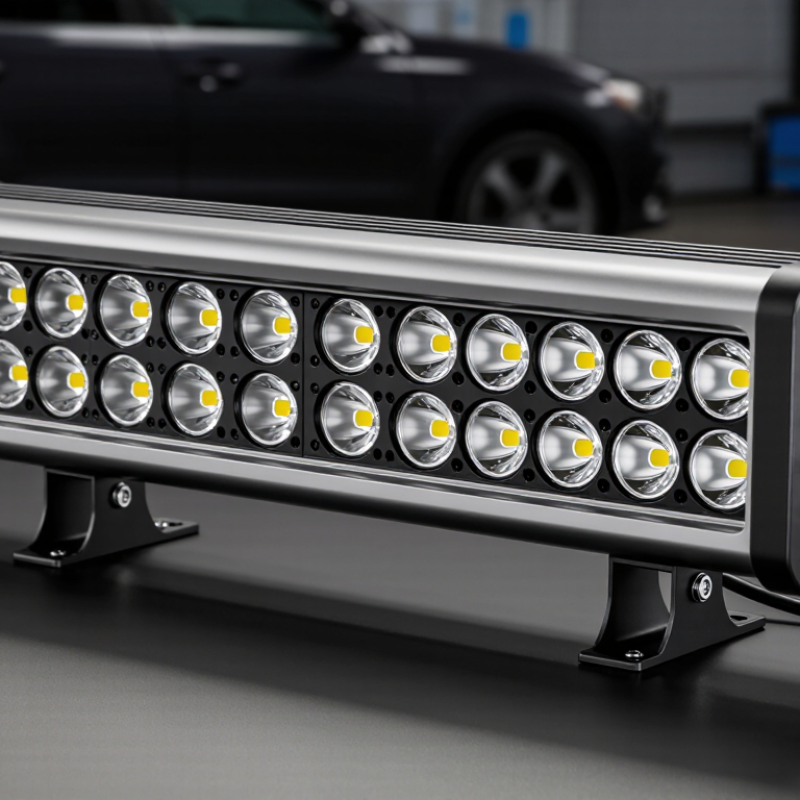
An automotive LED lightbar is a compact lighting unit that uses light-emitting diodes to produce a strong, focused beam. It is usually mounted above a vehicle, on a roof rack, or near the front grille. Its core purpose is to improve forward visibility in dark, remote, or off-road environments. Unlike ordinary headlights, a lightbar can spread light across a wider area or project it farther ahead.

The beam pattern determines its practical value. A flood beam illuminates nearby ground, while a spot beam reaches farther down a trail. Some models combine both patterns. This helps drivers notice uneven terrain, fallen branches, or roadside hazards earlier. LED technology also offers quick activation, lower energy use, and a long service life when heat is managed properly. Brightness alone is not enough.

Installation requires careful planning. The lightbar should be firmly secured, aimed below the direct eye line, and connected through suitable wiring, fuses, and a switch. Local vehicle lighting rules must be checked before use, especially on public roads. I once assumed a powerful beam was automatically better. It was not. Poor aiming created glare and reduced comfort for other drivers. Weather sealing, vibration resistance, and heat dissipation deserve equal attention. A lightbar is useful equipment, but its performance depends on responsible setup and real driving conditions.
Key Components and How an LED Lightbar Produces Light

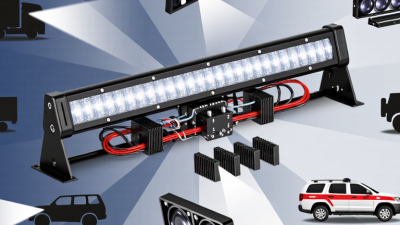
An LED lightbar for auto use is a row of compact light sources inside a sealed housing. Its key parts include LED chips, a circuit board, a current driver, reflectors, lenses, wiring, and a heat sink. The driver converts vehicle voltage into controlled current. Each LED produces light when electrons recombine with holes inside a semiconductor. This releases photons, creating a bright, directional beam.

Optics shape those photons into spot, flood, or combination patterns. The housing protects the electronics from dust, vibration, and water. Heat remains a serious concern. Excess temperature reduces output and can shorten LED life. The U.S. Department of Energy’s Solid-State Lighting R&D Opportunities report notes that LED packages have exceeded 200 lumens per watt in laboratory demonstrations. Real lightbars perform below that level. Installation quality matters. DOE also reports that LEDs use at least 75% less energy than incandescent lighting, although this comparison does not directly measure automotive lightbars.

Tips: Check the lightbar’s measured lumens, beam pattern, operating temperature, and current draw. Do not trust inflated marketing numbers alone. Look for photometric testing based on recognized industry procedures. Leave space around the heat sink, and protect cable connections from moisture. A brighter beam is not always safer; poor aiming can create glare and reduce useful road visibility. Some wiring assumptions may fail in older vehicles, so verify voltage behavior with a meter.

What Is an LED Lightbar for Auto Use? - Key Components and How an LED Lightbar Produces Light

Component or Stage Typical Materials or Values Primary Function How It Produces or Controls Light
Vehicle power input Typically 9–32 V DC to support common automotive electrical systems Supplies electrical energy from the vehicle battery or charging system Direct current enters the lightbar through a fused wiring circuit and reaches the control electronics.
LED emitters Semiconductor LED packages; common white light color temperatures are approximately 5,000–6,500 K Convert electrical energy into visible light A forward-biased semiconductor allows electrons and holes to recombine. The released energy is emitted as photons, creating light.
LED driver or current regulator Constant-current electronic circuit with protection against voltage variation Controls current supplied to the LED emitters It converts and regulates vehicle power so the LEDs operate within their specified current range, helping maintain stable brightness and limit overheating.
Printed circuit board Aluminum-core or other thermally conductive circuit board Connects LED emitters and transfers heat toward the housing Electrical paths distribute regulated current, while the conductive substrate helps move heat away from the LED junctions.
Reflectors and optics Metalized reflectors, molded lenses, or total-internal-reflection optics Shape and direct the emitted light Optical surfaces collect light from each LED and distribute it into spot, flood, or combination beam patterns.
Front lens or cover Commonly polycarbonate or tempered glass; often sealed against moisture and dust Protects the optics and LEDs from impact, water, dust, and road debris The transparent cover allows the shaped light beam to pass through while preserving the enclosure’s environmental protection.
Heat sink and housing Usually a finned aluminum body or aluminum mounting structure Dissipates heat generated during electrical-to-light conversion Heat travels from the LED board into the metal housing and then to the surrounding air. Thermal management helps preserve output and service life.
Seals and enclosure Gaskets, sealed connectors, corrosion-resistant fasteners, and an enclosure commonly designed for IP-rated protection Reduces entry of water and solid particles Sealing keeps the optical and electrical parts isolated from rain, spray, dust, and washing conditions when properly installed.
Mounting brackets Coated steel, stainless steel, or aluminum brackets Attaches and aligns the lightbar to a vehicle Stable mounting maintains beam direction and helps the assembly withstand vibration and road movement.
Light output Often specified in lumens, beam angle, and lux at a defined distance Describes the amount and distribution of usable illumination Total output depends on LED efficiency, drive current, optical losses, thermal conditions, and the selected beam pattern.
Key operating principle: An automotive LED lightbar uses regulated direct-current power to drive semiconductor LEDs. The LEDs generate photons, while the optics direct those photons and the heat sink removes unwanted thermal energy.

Common Types and Mounting Options for Vehicle Use

What Is an LED Lightbar for Auto Use?

Common Types and Mounting Options for Vehicle Use

An LED lightbar is a long, low-power lighting unit designed to improve forward visibility. Its housing usually contains several LED modules, reflectors, and a sealed electrical circuit. Output varies widely, so a brighter bar is not always the best choice. Beam pattern matters more on real roads.

Single-row lightbars suit daily vehicles and narrow mounting spaces. They offer a cleaner profile and usually create less wind noise. Dual-row models provide stronger illumination but need more roof clearance. Curved bars can follow a vehicle’s roofline, while compact work lights fit bumpers, racks, or utility areas. Flood beams spread light broadly, and spot beams project farther. Combination beams balance both patterns.

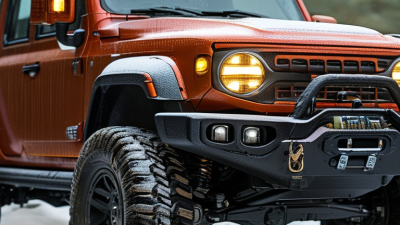
Mounting location changes performance. Roof mounts provide a higher lighting angle and better trail coverage, but they may increase wind resistance. Grille or bumper mounts sit lower and look discreet, although mud can block the lens. A professional installation should use a fused circuit, suitable wire thickness, sealed connectors, and a firm ground point. Check the bar after driving over rough surfaces.

Local regulations may restrict color, brightness, aiming, or road use. Always verify those requirements before installation.

I have seen owners focus on appearance and overlook vibration. That choice often causes loose brackets, water entry, or uneven light. A careful test at night can reveal problems that daytime inspection misses. It is worth checking twice.

Performance Factors, Power Requirements, and Safety Features

What Is an LED Lightbar for Auto Use?

An LED lightbar is a row of high-output light-emitting diodes mounted on a vehicle. It improves forward visibility during approved off-road, work, or low-light driving conditions. Performance depends on beam pattern, lumen output, color temperature, lens quality, and heat control. A wide flood beam helps reveal nearby edges, while a spot beam reaches farther down a trail. Combined beams can be useful, but they may create distracting glare. More light is not always better.

Power requirements deserve careful attention. Check the lightbar’s rated wattage and calculate current draw with the formula: watts divided by volts. A 120-watt unit may draw about 10 amps from a 12-volt system. The circuit needs correctly sized wiring, a fuse, a relay, and secure connectors. I have seen poor installations where thin wires became warm near the battery. That mistake is easy to underestimate. A healthy alternator and battery also matter, especially when other accessories operate together.

Tips

Mount the bar firmly and aim it below the normal road sightline when required. Use a sealed housing for rain, dust, and vibration. Look for thermal protection, reverse-polarity protection, and a dependable switch. Inspect the brackets after rough driving. Clean the lens regularly; mud can reduce useful output quickly. Follow local lighting rules, because road-use limits differ by location. Test the beam at night before relying on it, and reconsider the setup if it blinds approaching drivers.

Installation Rules, Legal Considerations, and Maintenance Basics

What Is an LED Lightbar for Auto Use?

An LED lightbar is a long, bright lighting unit mounted on a vehicle. It improves visibility on private roads, work sites, and approved off-road areas. Installation starts with a strong bracket fixed to a suitable mounting point. Avoid thin body panels that may flex or crack. Keep the beam away from the driver’s direct view. Aim it low enough to limit glare for approaching traffic.

Legal requirements differ by country, state, and vehicle category. Check local transport rules before drilling or wiring anything. Some areas restrict lightbar height, color, brightness, flashing patterns, or use on public roads. Emergency-style colors and signals may be reserved for authorized vehicles. A lightbar that is legal on private land may not be legal in daily traffic. This detail is often missed.

Use a fused circuit, weather-resistant connectors, and wiring protected from heat and sharp edges. A relay can reduce switch load. Leave enough slack near hinges, but do not create loose loops. After installation, test the beam at night and ask another person to check glare. Maintenance is simple but easy to neglect. Clean dust from the lens with mild soap and water. Inspect brackets, bolts, seals, and cable insulation every few months. Condensation, flickering, or corrosion needs attention before regular use. Even careful installations can need adjustment. Recheck everything after the first rough drive.

What Is an LED Lightbar for Auto Use?

An LED lightbar is an auxiliary lighting device that uses multiple light-emitting diodes to produce a wide or focused beam. The chart shows the theoretical current draw for common lightbar power ratings on 12-volt and 24-volt vehicle systems, calculated with I = P ÷ V.

Installation: Use a secure vehicle-rated mount, protect the positive supply with a correctly selected fuse close to the battery, and use a relay and switch rated for the circuit. Keep wiring away from heat, sharp edges, and moving parts.

Legal considerations: Road-use rules differ by jurisdiction. Auxiliary lamps may be restricted by color, position, beam direction, visibility, and permitted use. Check local lighting regulations before operating a lightbar on public roads.

Maintenance: Regularly inspect the mounting hardware, lens, connectors, fuse, switch, and wiring. Clean the lens and replace damaged seals or cables to help prevent moisture-related failures.