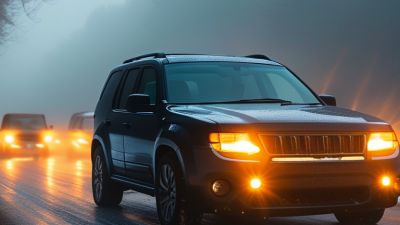
Why Are Spot Lights For Car Essential For Night Driving?
Driving at night presents unique challenges. Darkness reduces visibility and increases the risk of accidents. Spot Lights For Car can significantly enhance safety during these hours. Expert John T. Harrison, a leading automotive lighting specialist, states, “Properly installed spot lights can illuminate hidden dangers on the road.”
These lights provide focused beams that reach further than standard headlights. They help drivers see animals, pedestrians, or road debris ahead. However, not all spot lights are made equal. Choosing the right one is crucial. Poor-quality lights may not deliver the promised performance. Additionally, improper installation can lead to glare that blinds oncoming traffic.
Investing in high-quality Spot Lights For Car is essential. It empowers drivers to make clear decisions in low-light conditions. While it’s important to recognize their benefits, one must also consider their responsible use. Over-reliance on artificial light can create complacency. The careful balance of technology and attentiveness is vital for safe night driving.

The Importance of Spot Lights for Enhanced Night Visibility
Driving at night presents unique challenges. Reduced visibility increases the risk of accidents. Spot lights play a crucial role in enhancing night visibility. They illuminate dark areas, making obstacles easier to see. This additional light helps drivers spot pedestrians, animals, or road signs that might otherwise remain hidden in shadows.
Effective use of spot lights can transform night driving. With powerful beams focused in critical areas, drivers can navigate complicated terrains more safely. However, improper usage can lead to glare for oncoming vehicles. It's essential to adjust them correctly to avoid creating hazards. Regular maintenance ensures they perform optimally when most needed.
While spot lights are beneficial, they are not a cure-all. Drivers must remain alert and cautious. Night driving requires heightened awareness and skill. It’s important to balance the use of spot lights while relying on one’s natural night vision. Awareness of one’s driving environment remains equally vital. Understanding both the advantages and limitations of spot lights can lead to safer night driving experiences.
Why Are Spot Lights For Car Essential For Night Driving? - The Importance of Spot Lights for Enhanced Night Visibility
| Dimension |
Information |
| Visibility Range |
Up to 1000 feet |
| Light Type |
LED or Halogen |
| Beam Pattern |
Spot Beam |
| Power Consumption |
20-50 Watts |
| Durability |
Weather-resistant housing |
| Typical Use |
Off-road driving, night-time driving |
| Installation Ease |
Generally straightforward with basic tools |
| Cost Range |
$30 - $200 |
Types of Spot Lights: Halogen, LED, and Xenon Options
When driving at night, visibility is crucial. Spotlights enhance this by providing focused illumination. Among the options available, halogen, LED, and xenon lights stand out. Halogen lights are cost-effective but consume more power. They can last about 500 to 1,000 hours. In contrast, LED lights offer greater efficiency, lasting up to 30,000 hours. They also generate less heat and use less energy. This makes LEDs a popular choice for many drivers.
Xenon lights, known for their bright output, can last around 2,000 hours. They emit a bluish light that can improve visibility but may create glare for other drivers. According to industry studies, using high-quality spotlights can increase nighttime visibility by 200%. This is vital for preventing accidents and ensuring safety on the road.
**Tip:** Regularly check the alignment of your spotlights. Misaligned lights can reduce visibility and distract other drivers.
Considering the type of spotlight is important. Choose based on your driving needs and local regulations. Proper installation plays a pivotal role in maximizing their effectiveness.
Industry Data on Night Driving Accident Rates and Visibility Issues
Driving at night poses unique challenges. Visibility decreases significantly, increasing the risk of accidents. Industry data shows that night driving leads to three times more fatalities than daytime driving. Poor visibility can make it hard to react to obstacles or changes in traffic. This is where spotlights for cars become crucial.
Effective spotlights illuminate dark areas, enhancing overall visibility. They can reveal pedestrians, animals, or potholes early on. Drivers gain extra time to react. Moreover, studies indicate that proper lighting can reduce night-time accident rates. It's evident that good lighting saves lives.
Here are a few tips for night driving. Ensure your spotlights are clean and correctly aimed. Misaligned lights can create glare for oncoming drivers. Adjust your speed according to visibility. If conditions are poor, slow down. Stay focused. Distracted driving at night can be particularly dangerous. Small adjustments can lead to safer journeys on dark roads.
Night Driving Accidents and Visibility Improvement with Spot Lights
The above chart illustrates the stark difference in night driving accident rates between vehicles equipped with spot lights and those without. The data shows a significant reduction in the number of accidents per 1000 drivers when vehicles are fitted with spot lights, highlighting their essential role in improving visibility during night driving.
How Spot Lights Improve Depth Perception and Road Awareness
Driving at night can be challenging. Spot lights are essential tools that enhance visibility. They improve depth perception, helping drivers see further down the road. This is crucial in spotting obstacles early, which is often hard in the dark.
When using spot lights, positioning is key. Aim them correctly to avoid blinding oncoming drivers. Poorly aligned lights can create glare, leading to dangerous situations. It’s also important to adjust brightness when driving in urban areas. Overly bright lights can disturb pedestrians and other vehicles.
Tip: Regularly check the alignment of your spot lights. Misaligned lights can reduce effectiveness. Another handy tip is to keep the lenses clean. Dirty lenses can diminish light output significantly. Effective lights not only enhance visibility but also boost overall driving confidence on dark roads.
Legal Considerations and Regulations for Car Spot Lights in Night Driving
Car spot lights are crucial for night driving. They illuminate dark roads, enhancing visibility. However, their use is regulated. Understanding these regulations is important for safe and legal driving.
Different regions have varying laws regarding spot lights. Some places allow specific types of lights, while others have restrictions. For instance, bright lights may blind oncoming drivers. Following local regulations helps prevent accidents and fines. It is essential to adjust lights to not interfere with other road users.
Choosing the right type of spot light is also important. Certain lights can be more effective without being overly bright. This balance is vital. It reflects responsible driving behavior. Drivers should also consider their vehicle's design and how lights fit into it. Reflecting on these aspects can improve both safety and compliance with the law.