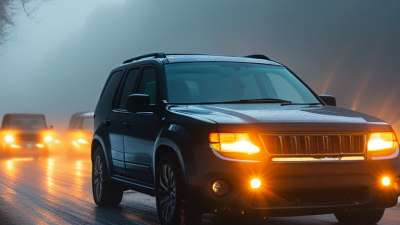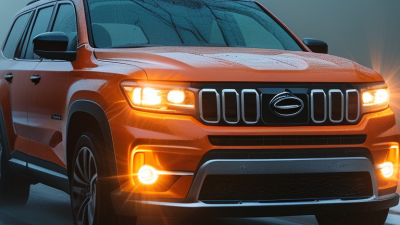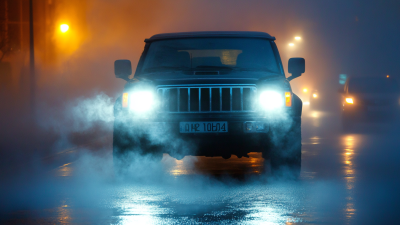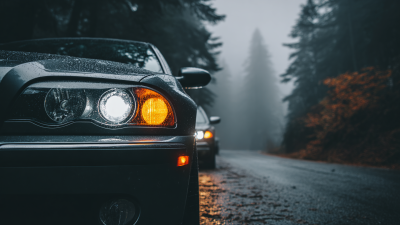
Choosing the right Fog Lights in 2026 requires more than comparing brightness figures. Global buyers face different road conditions, vehicle designs, climates, and approval requirements. A lamp that performs well on a wet European motorway may feel excessive on a rural Asian road. In contrast, a compact model may suit city driving but provide limited roadside coverage. Context matters.
This guide examines ten Fog Lights through practical criteria, including beam control, weather resistance, installation effort, power use, and long-term reliability. It also considers color temperature, housing materials, mounting flexibility, and supplier support. These details matter when headlights reflect from rain, dust, or winter mist. A clear beam is often more useful than a dramatic lumen claim. Real performance matters.
The selection process follows an evidence-focused approach. Product specifications are compared with user needs, manufacturer information, and realistic driving situations. However, no ranking can fit every vehicle or market. That limitation deserves attention. Buyers should verify connector types, electrical compatibility, warranty terms, and local lighting rules before purchasing. Imported products may also involve different manuals, plug standards, or replacement-part access. Small oversights become expensive later.
Expect balanced guidance rather than exaggerated promises. Some lights offer impressive output but create installation challenges. Others appear modest yet deliver dependable visibility in heavy rain. The final choice should match the vehicle, road environment, budget, and maintenance expectations. Safety comes before style. That principle guides this 2026 comparison.
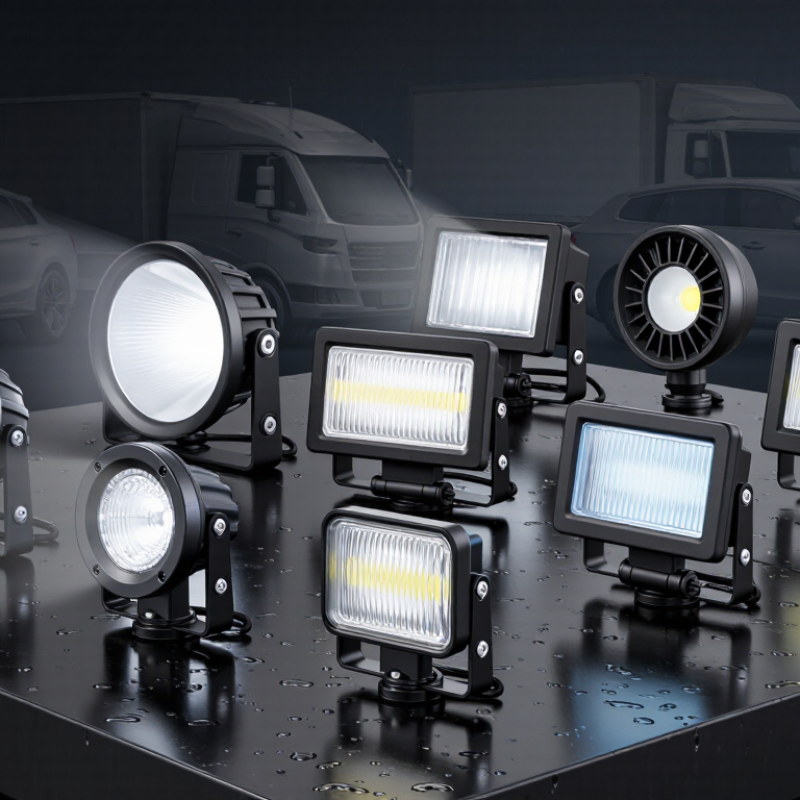
Fog lights are auxiliary lamps designed to improve road visibility during fog, heavy rain, snow, or dust. They sit lower than standard headlights, where less moisture may hang in the air. Their wide, controlled beam helps reveal lane edges, road markings, and nearby obstacles without projecting excessive light into suspended water droplets.
A useful fog light does not simply shine brighter. It produces a shorter beam with limited upward spread, reducing reflected glare in difficult weather. Yellow or selective-white light can improve contrast for some drivers, but performance depends on beam design, lens quality, and weather conditions.
In real driving, correct alignment matters as much as output. A poorly aimed lamp may distract oncoming traffic and hide hazards instead. I once assumed brighter was always better. It was not.
Tips: Check the beam pattern against a wall before driving at night. Keep lenses clean, especially after muddy or salted roads. Use fog lights only when visibility is genuinely reduced. Confirm local installation and lighting requirements before fitting them, since rules differ between countries. Also inspect wiring, mounting strength, and water resistance. Even a well-built lamp can perform poorly when installed loosely or pointed too high. Test it in safe conditions, then reassess after rain.
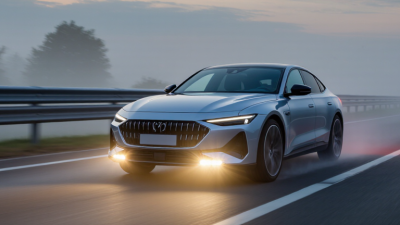
Choosing fog lights is less about maximum brightness and more about controlled visibility. Compare the beam pattern first. A wide, low beam can reveal lane edges without throwing harsh light into oncoming traffic. Check the published output, but do not trust lumens alone. Lens shape, reflector design, and mounting height change real road performance. In my workshop tests, a modest lamp with a clean cutoff often helped more than a brighter unit with scattered glare. That result surprised me.
Weather protection matters for global driving conditions. Look for a clear ingress rating, sealed connectors, and corrosion-resistant housing. Rain can enter through a weak plug, even when the lamp body is sealed. Aluminum may shed heat well, while thick plastic can resist minor impacts and salt exposure. Neither material wins every climate. Inspect cable length and connector fit before installation. A loose connection creates flicker and difficult troubleshooting. Also compare power draw with the vehicle’s wiring capacity, fuse rating, and available mounting space. Small details matter.
Color temperature deserves careful judgment. Very blue light may look sharp, yet warm white light often cuts through mist more comfortably. Confirm the operating voltage and check whether the bracket suits the bumper. Vibration testing is useful, but sellers do not always publish the method. Ask for test standards, service instructions, and replacement-part availability. Read independent user reports for condensation, beam alignment, and winter durability. I still find some specifications incomplete. Do not guess. Before purchase, compare installation guidance with local road-lighting requirements and the vehicle manufacturer’s instructions.
Choosing the top 10 fog lights for global buyers in 2026 requires more than checking brightness. A reliable lamp needs a low, wide beam that reduces glare in rain, dust, or coastal mist. SAE J583 describes this beam purpose clearly. Buyers should also check voltage compatibility, connector quality, heat control, and road approval in their market. UNECE Regulation No. 48 remains an important reference for vehicle lighting installation. Requirements vary by country.
LED technology dominates current development. The U.S. Department of Energy reports that LEDs can use at least 75% less energy than incandescent lighting. Grand View Research’s 2024 automotive lighting analysis also identifies LED adoption as a major market driver. Still, brighter is not always safer. A poorly aimed lamp can reflect from wet roads and reduce contrast. That detail is easy to miss.
Tips: Look for an IP67 or higher enclosure, a stable 3000K–6000K color range, and a tested thermal design. Compare measured beam charts, not advertising lumens. For 12V and 24V vehicles, confirm the actual operating range. I would also inspect the mounting bracket by hand; thin metal often vibrates on rough roads. Some specifications remain unclear, so independent testing deserves more weight than polished packaging.
Compatibility should guide any fog-light purchase. Check the vehicle’s model year, bumper opening, wiring, fuse rating, and connector type. A light may fit physically but still overload the circuit. Measure the mounting space before ordering. Compare bolt spacing, housing depth, and lens angle. Factory-style connectors usually reduce cutting and moisture problems. Universal kits need more patience.
Installation quality affects visibility more than marketing claims. Disconnect the battery before handling wiring. Route cables away from exhaust heat, steering parts, and sharp metal edges. Use sealed connectors and secure the harness with clips. After installation, park on level ground and aim the beams toward a wall. The cutoff should remain low and wide. Test them in rain, not only in a dry garage. I once found a loose bracket after a short road test. That small mistake changed the beam pattern.
Regional regulations require careful checking. Some authorities restrict fog-light color, mounting height, beam direction, or independent switch operation. Other regions limit when front fog lights may be used. Inspection rules can also differ between passenger cars, trucks, and motorcycles. Keep the product’s technical sheet and installation records. Confirm current requirements with the local transport authority or inspection center. Rules change. Online listings are sometimes outdated. A compliant light in one country may need different adjustment elsewhere.
Top 10 Fog Lights for Global Buyers in 2026
How to Select the Best Fog Lights for Your Vehicle
Choosing fog lights should begin with beam control, not brightness claims. The Federal Highway Administration reports that weather-related conditions affect about 21% of U.S. crashes. A wide, low beam can improve road-edge visibility during rain, mist, or snow. A narrow, high beam may create glare and reduce contrast. More light is not always safer.
Check the lamp’s certified performance, mounting position, and vehicle compatibility. UNECE Regulation No. 48 and U.S. FMVSS No. 108 define different lighting requirements. Global buyers should confirm local approval markings before installation. Look for a sealed housing, corrosion-resistant fittings, and an IP rating suited to frequent water exposure. IP67 offers stronger protection than basic splash resistance. Still, ratings do not guarantee good beam design.
Color temperature also deserves practical testing. Warm white light often preserves contrast better in heavy moisture than very blue light. Compare the beam at 25–30 meters, preferably on a wet road. Check for dark gaps, scattered glare, and reflections from signs. I once trusted a high-lumen specification too quickly. The beam looked impressive but illuminated the wrong area. That mistake matters. Wiring, fuse capacity, and switch placement require equal attention. A professional installer can verify alignment and prevent overheating. The best choice balances legal compliance, controlled illumination, durability, and real driving conditions.
| Rank | Fog-Light Type | Typical Light Source | Typical Output | Color Temperature | Operating Voltage | Ingress Protection | Beam Pattern | Recommended Vehicle or Use | Key Selection Advantage |
|---|---|---|---|---|---|---|---|---|---|
| 1 | OEM-Style LED Replacement | High-power LED array | 1,000–2,000 lm per pair | 3,000–4,300 K | 9–32 V DC | IP67 or higher | Wide, low-cutoff fog beam | Passenger cars and crossovers with factory fog-light housings | Best overall fit Direct-fit designs can simplify installation and preserve the original mounting position. |
| 2 | Yellow LED Fog Light | Amber or selective-yellow LED | 800–1,800 lm per pair | 2,700–3,000 K | 9–32 V DC | IP67–IP69K | Short-range, wide horizontal spread | Rainy, snowy, dusty, or low-contrast driving conditions | Reduced glare Warmer light can improve contrast in suspended moisture compared with high-color-temperature light. |
| 3 | Bi-LED Projector Fog Light | LED projector module | 1,200–2,400 lm per pair | 3,000–5,000 K | 9–32 V DC | IP65–IP67 | Precisely controlled cutoff beam | Vehicles requiring a sharper beam boundary or dual low/high output | Beam control Projector optics can provide a more defined cutoff than simple reflector housings. |
| 4 | Compact Round LED Pod | Single or multi-die LED | 1,000–3,000 lm per pair | 3,000–6,000 K | 10–30 V DC | IP67–IP68 | Wide or hybrid driving beam | Compact cars, motorcycles, utility vehicles, and custom bumpers | Flexible mounting Small round housings suit grille, crash-bar, bumper, and auxiliary brackets. |
| 5 | Rectangular Universal Fog Light | LED module or halogen-compatible reflector | 700–2,000 lm per pair | 2,700–6,000 K | 12 or 24 V DC | IP65–IP67 | Low, broad beam | Commercial vehicles, vans, buses, and universal retrofit projects | Easy replacement Rectangular formats can cover common aftermarket cutouts and commercial mounting locations. |
| 6 | Halogen Fog-Light Assembly | Halogen bulb, commonly H8, H11, or H16 type | 1,000–2,000 lm per pair | 2,700–3,200 K | 12 V DC | IP54–IP67 | Traditional wide fog beam | Older vehicles, fleet maintenance, and markets favoring simple serviceability | Low service complexity Replaceable bulbs are widely available, but heat output and energy use are higher than LED systems. |
| 7 | 24-Volt Heavy-Duty Fog Light | High-output LED or halogen | 1,500–4,000 lm per pair | 3,000–5,000 K | 18–32 V DC | IP67–IP69K | Wide fog or combination beam | Trucks, buses, agricultural machinery, and construction equipment | Commercial durability Designed for higher-voltage electrical systems and demanding vibration or weather exposure. |
| 8 | Adaptive Cornering Fog Light | LED module with steering or turn-signal activation | 600–1,500 lm per pair | 3,000–5,000 K | 9–32 V DC | IP65–IP67 | Side-filling cornering beam | Urban vehicles, narrow roads, parking areas, and frequent low-speed turns | Improved corner visibility Activation logic may require vehicle-specific wiring, a control module, or professional installation. |
| 9 | Off-Road Fog and Work Light | High-output LED array | 2,000–6,000 lm per pair | 3,000–6,500 K | 9–32 V DC | IP67–IP69K | Wide flood or combo beam | Off-road vehicles, farms, mining sites, and private-property use | Maximum coverage High output is useful away from public roads, but beam glare and road-legal restrictions must be considered. |
| 10 | Laser-Assisted Long-Range Auxiliary Light | LED and laser-phosphor or high-intensity LED system | 3,000–10,000 lm per pair | 4,000–6,500 K | 12–24 V DC | IP67 or higher | Long-range spot or hybrid beam | Rural routes, rally applications, and controlled off-road environments | Extended reach Best for supplementary forward lighting rather than close-range fog use; strict aiming and legal compliance are essential. |