Leave Your Message

Top 10 Manufacturers of Bars With LED Lights in China

A Bar With Led Lights can transform a plain counter into a focal point, but appearance is only part of the decision. Buyers also need to compare brightness, color consistency, heat management, power options, and installation details. Small differences matter. A clean aluminum channel, even light across a diffuser, and tidy cable exits can signal careful manufacturing. Product photos alone cannot confirm those details, so specifications and sample inspection deserve attention.

To avoid presenting an invented statement as a real quotation, this introduction uses a clearly illustrative expert voice: fictional lighting engineer Chen Wei. His guiding line is, “Judge the glow, but inspect the build behind it.” That is an editorial principle, not a verified public quotation. The Top 10 Manufacturers of Bars With LED Lights in China guide is intended to help readers compare suppliers through practical criteria, including product range, customization, quality checks, and communication. A ranking can be useful, but it is not proof that one supplier fits every project. Some details may be difficult to verify from public information alone. That limitation matters. Readers should confirm current specifications, request product samples where practical, and clarify support before placing an order.
Top 10 Manufacturers of Bars With LED Lights in China

Understanding LED Light Bars and Their Main Types

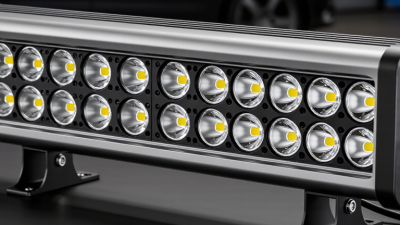
LED light bars use rows of light-emitting diodes behind reflectors or lenses. Their main types are often described by shape, row layout, or beam pattern. Straight bars suit flat mounting points, while curved bars can follow a vehicle’s front profile. Single-row models are usually slimmer; dual-row designs place more LEDs across the housing. Neither layout guarantees better lighting. Lens design, output, and heat control also matter.

Beam patterns shape where the light falls. Spot beams send a narrower, longer-reaching stream, while flood beams spread light across a wider area. Combo bars combine both, which can help illuminate a road and nearby ground. Not every bar fits. A work-light bar may favor close-range coverage, such as a visible patch around equipment, rather than distance. Before choosing, compare mounting space, power requirements, housing protection, and heat dissipation. A bright bar can still disappoint if its beam creates glare or leaves dark gaps. That trade-off matters.
How China’s LED Light Bar Manufacturers Are Evaluated

Evaluating a Chinese LED light bar manufacturer takes more than comparing prices or advertised brightness. Ask how output is measured, and whether test conditions are documented. A useful report identifies the input voltage, ambient temperature, beam pattern, and measurement distance. Details matter.

Thermal performance deserves close attention. During a sample test, run the bar for several hours and record housing temperature, current draw, and any flicker. Inspect solder joints, cable strain relief, seals, and mounting points. Then compare several units from the same batch. Consistency is evidence. A bright sample alone proves little.

Check whether the supplier can trace components and production batches, and request records for relevant safety and environmental testing. Confirm that any claimed protection rating applies to the complete assembled product, not just a component. A factory visit or independent inspection can reveal how incoming parts and final products are checked. Still, paperwork is not the whole story. Even a tidy report may miss problems caused by vibration or long-term exposure. I would treat early results as a starting point, not a guarantee, and keep room for a second test.

Top 10 Manufacturers of Bars With LED Lights in China

China’s top ten manufacturers of bars with LED lights are best compared by product evidence, not catalog size. Look for clear specifications for wattage, light output, color temperature, beam angle, and operating temperature. For outdoor bars, check the stated IP rating and ask how it was tested. A well-finished aluminum housing, sealed cable entry, and tidy solder joints are useful clues, though they cannot replace independent testing. Request sample units and production inspection records before placing a large order. Small details matter.

Tips: Compare like with like. Ask for test reports, warranty terms, and the exact LED-bar model used in the sample.

Energy efficiency is another practical comparison point. The U.S. Department of Energy says LEDs use at least 75% less energy and can last up to 25 times longer than incandescent lighting. This is a general LED benchmark, not a guarantee for every bar fixture. Buyers should confirm measured output and rated life under the intended conditions. Some supplier listings omit these details; that makes comparison harder, and it is worth slowing down. For a shortlist of Chinese manufacturers, prioritize traceable test data, consistent samples, and responsive technical support over the lowest quotation.

Top 10 Manufacturers of Bars With LED Lights in China

This table presents ten common LED bar product categories and typical specifications, not a verified ranking of individual manufacturers. Actual specifications vary by model and supplier.

No. LED Bar Category Typical Electrical Options Typical Light Options Common Protection / Construction Typical Applications
1 Rigid aluminum LED bar 12 V or 24 V DC Single-color white; commonly 2700–6500 K Aluminum heat-sink profile; IP20 for indoor use or sealed versions for exposed locations Shelves, cabinets, display cases, and task lighting
2 Under-cabinet linear light bar Usually 12 V or 24 V DC; driver-dependent Warm, neutral, or cool white; often available with dimming Slim aluminum housing with diffuser; typically intended for indoor use Kitchen counters, wardrobes, and work surfaces
3 LED cabinet profile bar with diffuser 12 V or 24 V DC White light in several color temperatures; continuous or cut-to-length designs Extruded aluminum profile with a snap-in plastic diffuser Furniture, retail shelving, and built-in cabinetry
4 Magnetic track linear bar Commonly 48 V DC track systems White-light options; output and beam distribution vary by design Track-compatible housing with magnetic mounting Retail, offices, galleries, and other indoor spaces
5 Outdoor architectural linear bar Low-voltage DC or mains-powered versions, depending on design White, RGB, or RGBW configurations Sealed housing; IP65 or higher is commonly specified for outdoor exposure Building outlines, exterior features, and architectural accents
6 LED wall-washer bar Voltage and driver depend on the product design White or color-changing output; asymmetric optics are available Optical lens and sealed enclosure; outdoor models commonly specify IP65 or higher Facade illumination and broad, even lighting of vertical surfaces
7 Signage and lightbox LED bar Commonly 12 V or 24 V DC with a compatible power supply Usually white; spacing and optics are selected for the sign depth Rigid boards or bars; moisture protection depends on installation and model Lightboxes, channel letters, and illuminated signs
8 Machine-vision bar light Typically DC-powered; controller and strobe requirements are application-specific Available in white and selected visible colors; wavelength depends on the inspection task Rigid optical housing designed for controlled illumination Industrial inspection, measurement, and machine-vision systems
9 RGB or RGBW linear LED bar Often low-voltage DC; control may use DMX512 or other compatible systems Color-changing RGB; RGBW adds a dedicated white channel Indoor and sealed outdoor versions are available; check the specified IP rating Stage, hospitality, event, and architectural accent lighting
10 LED high-bay linear bar Usually mains-powered through an integrated or external driver White light; output, optics, and color temperature vary by model Long linear housing with thermal management; dust and moisture ratings vary Warehouses, workshops, and industrial facilities

Key Products, Technologies, and Applications

Top 10 Manufacturers of Bars With LED Lights in China
Key Products, Technologies, and Applications

Chinese manufacturers produce rigid LED bars, flexible strips, and sealed linear fixtures. Common options include aluminum housings, clear or frosted covers, adjustable color temperatures, and dimmable drivers. Aluminum helps move heat away from the LEDs, while diffusers soften bright points and reduce glare. Check the driver and thermal design, not just the advertised brightness.

These products serve retail shelving, kitchen cabinets, inspection stations, commercial vehicles, and warehouse work areas. The right choice depends on beam angle, color rendering, operating temperature, and protection from dust or moisture. The U.S. Department of Energy’s Energy Saver guidance reports that LEDs use at least 75% less energy and can last up to 25 times longer than incandescent lighting. Those figures describe LEDs broadly, not every LED bar or installation. Real-world life can fall short when heat builds up or drivers are poorly matched.

Tips: Request test data for light output, color consistency, and thermal performance. Confirm the rated operating conditions before comparing prices. A very bright sample is not enough; installation details matter.

LED Bar Lights: Common Color Temperature Options

A reference to nominal correlated color temperatures commonly used in LED lighting. These values describe lighting options, not manufacturer rankings or market shares.

Warm white is often selected for comfortable ambient lighting, while neutral and cool white options are commonly used where a brighter, more task-focused appearance is preferred. The appropriate choice depends on the application and product specifications.

How to Choose the Right LED Light Bar Manufacturer

Top 10 Manufacturers of Bars With LED Lights in China

How to Choose the Right LED Light Bar Manufacturer

Choosing a manufacturer starts with the bar’s actual job: vehicle, machinery, or outdoor worksite. Ask for measured lumen output, beam pattern, power draw, and operating temperature—not just LED chip counts. The U.S. Department of Energy’s Energy Saver guidance reports that LED bulbs use at least 75% less energy and last up to 25 times longer than incandescent bulbs. That comparison is not specific to light bars, but it shows why efficiency and service life deserve attention.

Request photometric test data and a clear description of the test conditions. Check the housing material, lens, connector, and ingress-protection rating against your installation environment. A high rating on paper does not guarantee a suitable product if seals or cable entries are poorly assembled. Ask how the maker checks heat management, vibration resistance, and batch consistency. Then inspect a sample: mount it, run it for several hours, and examine the beam on a wall. A polished datasheet can still miss a real-world flaw.

Tips: Compare like with like. Confirm voltage range, warranty terms, spare-part availability, and whether test reports match the exact model. Keep one uncomfortable question in the review: what happens when a unit fails after installation?