Leave Your Message

Top 10 Types of LED Lights for a Vehicle to Buy?

Choosing the right Led Lights For A Vehicle is not only about brightness or appearance. It involves safety, compatibility, weather resistance, installation space, and daily driving conditions. A light that looks impressive in a product photo may create glare, drain the battery, or fit poorly behind a factory housing. This guide examines ten practical LED light types for vehicles, including headlights, fog lights, light bars, interior lamps, brake lights, and work lights.

Each option serves a different purpose. Headlight bulbs support clear road visibility, while fog lights produce a lower, wider beam near the ground. Light bars can help on private trails, but they may be unsuitable for ordinary public-road use. Always check the vehicle manual, bulb size, wiring limits, and local lighting regulations before purchasing. Certified products, sealed housings, thermal protection, and dependable warranties deserve more attention than exaggerated lumen claims.

Real-world details matter. A commuter may need cool-running interior LEDs, while a truck owner may value vibration resistance and water protection. Installation can also vary from a simple plug-in replacement to a project requiring relays, fuses, or professional help. Some recommendations will not suit every driver. That is the honest limitation. Even experienced buyers can overlook beam alignment or connector quality. By comparing performance, durability, cost, and installation demands, this overview helps readers make a safer and more informed choice. Brighter is not always better.
Top 10 Types of LED Lights for a Vehicle to Buy?

What Are Vehicle LED Lights and How Are They Classified?

Vehicle LED lights are solid-state lighting units that produce illumination through light-emitting diodes. They use electrical current, not heated filaments. The U.S. Department of Energy reports that LEDs can use at least 75% less energy and last up to 25 times longer than incandescent lamps. Automotive comparisons vary, especially against halogen bulbs, but the efficiency advantage remains important for battery-powered vehicles.

Classification usually follows function and position. Forward-lighting LEDs include low beams, high beams, fog lamps, and daytime running lights. Signal LEDs cover turn indicators, hazard flashers, and brake lamps. Rear lighting includes tail, reverse, and rear fog functions. Interior LEDs serve cabin reading, footwell, dashboard, and cargo areas. Auxiliary work lights form another group, often using focused beams for off-road or maintenance tasks.

Beam pattern matters more than brightness alone. A sharp cutoff can reduce glare on a dark road. A wide flood pattern can illuminate a loading area beside the vehicle. The Society of Automotive Engineers publishes testing practices for vehicle lighting, while international rules such as UNECE Regulation No. 48 address lamp installation and signaling functions. Buyers should check electrical compatibility, heat control, weather sealing, and aiming requirements. Marketing claims can be optimistic. Real performance may change after rain, vibration, or a poor connector installation.
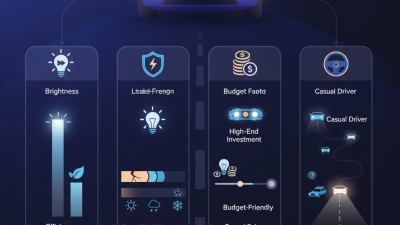
The 10 Main Types of LED Lights for Vehicles

The 10 Main Types of LED Lights for Vehicles

Choosing vehicle lighting starts with function, not brightness. The ten main types are headlight bulbs, daytime running lights, fog lights, tail lights, brake lights, turn signals, reverse lights, license-plate lights, interior lights, and work lights. Each serves a different viewing or warning purpose. Headlights need a controlled beam, while brake lights need fast, unmistakable signaling. A very bright fog lamp can still create glare when aimed poorly.

In practical inspections, beam alignment often matters more than advertised lumen numbers. The Insurance Institute for Highway Safety evaluates headlights for visibility on straight and curved roads, high-beam reach, and glare. Its testing shows noticeable performance differences between lighting systems. The U.S. Department of Energy reports that LEDs can use at least 75% less energy and last up to 25 times longer than incandescent lighting. That benefit is useful for frequent brake, cabin, and work-light operation. Still, those figures describe LED lighting broadly, not every vehicle bulb.

Selection should match the socket, voltage, heat control, beam pattern, and weather exposure. Reverse and license-plate lights usually need modest output. Work lights demand stronger sealing and vibration resistance. My first mistake was choosing a high-output headlight without checking its cutoff pattern. The road looked brighter, but surrounding drivers faced more glare. Confirming fitment and following Federal Motor Vehicle Safety Standard 108 is less exciting, yet more reliable. Some aftermarket claims remain optimistic. Check the testing evidence.

How to Match Each LED Type to Your Vehicle’s Purpose

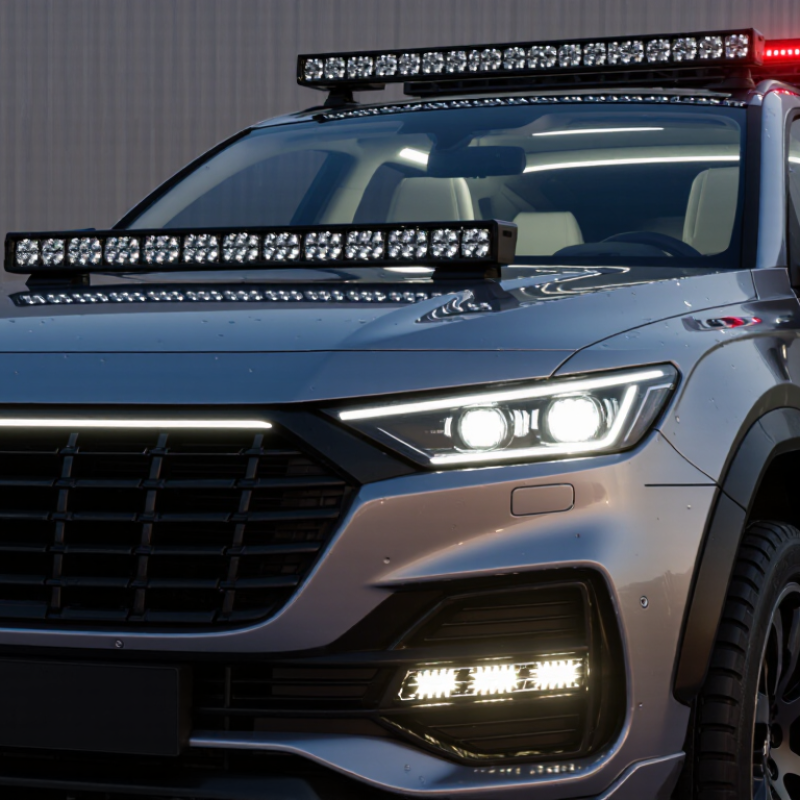
Choosing among ten LED light types depends on what your vehicle actually does. Headlight LEDs suit daily road driving, but beam pattern matters more than brightness. Fog lights should produce a wide, low beam for rain, mist, and dusty tracks. Driving lights reach farther on open roads, while a light bar covers broad areas during permitted off-road use. Never aim either toward oncoming traffic.

Work lights fit trucks, vans, and utility vehicles that operate near equipment or loading areas. Reverse lights improve visibility behind the vehicle, especially beside dark fences or narrow driveways. Brake lights need fast response and strong contrast.

Turn-signal LEDs must flash at the correct rate, or the vehicle may need a compatible control module. Check the wiring carefully.

Inside the cabin, dome lights and map lights provide focused visibility without distracting the driver. Rock lights or underbody LEDs help inspect tires and ground clearance, but they should remain shielded and legally permitted. Measure the socket, voltage, connector, and available space before buying. A brighter lamp is not always safer.

I once underestimated heat around a compact housing; the fit looked perfect, but ventilation was poor. That detail deserves more attention. Confirm local lighting rules, use weather-resistant housings, and test every function at night from the driver’s normal position.

What to Check Before Buying Vehicle LED Lights

Choosing among the top 10 types of vehicle LED lights starts with fit, not brightness. Check the socket, voltage, polarity, and available space behind the housing. Common options include headlight bulbs, fog lights, daytime running lights, turn signals, brake lights, reverse lights, interior lamps, and license-plate lights.

Heat matters. A compact bulb may produce strong light but lack cooling space. The U.S. Department of Energy’s 2023 SSL R&D Plan reports laboratory LED efficacy above 200 lumens per watt. Vehicle installations usually achieve less because of heat, optics, and electrical limits. Look for a stable thermal design, a reliable driver, and clear operating-temperature data. Marketing numbers alone are weak evidence. I have learned that “brighter” can hide poor beam control.

Check the beam pattern against a wall at night. Glare is a real safety concern. Verify that the replacement matches the vehicle’s original lighting function and approved specifications. For weather exposure, an IP rating based on IEC 60529 offers useful protection information, but it does not prove long-term road durability. SAE J575 durability testing is another valuable reference for automotive lamps. Also inspect flicker, warning-light compatibility, warranty terms, and installation instructions. Some bulbs fit physically yet trigger errors or overheat. A careful buyer measures twice. Even professional reports cannot replace checking the actual housing, wiring, and road visibility.

Top 10 Types of LED Lights for a Vehicle to Buy? - What to Check Before Buying Vehicle LED Lights

A practical comparison of common vehicle LED light types and the key specifications to check before purchase.

No. LED Light Type Typical Vehicle Use Common Color Temperature Main Advantages Important Checks Before Buying
1 LED Headlight Bulbs Low-beam and high-beam headlamps 5,000–6,500 K Efficient operation, fast illumination, and a long service life compared with many halogen bulbs Confirm bulb-base compatibility, available clearance, beam-pattern quality, heat management, electrical load, and road-use legality
2 LED Fog Lights Front fog lamps and low-visibility driving 3,000–6,000 K A wide, low beam can improve near-road visibility in fog, rain, or snow Look for a wide horizontal beam, sharp upper cutoff, weather resistance, correct mounting size, and an approved light color
3 LED Daytime Running Lights Front-facing daytime visibility 5,000–6,500 K Uses relatively little power and increases vehicle conspicuity during daylight Check daytime brightness, automatic activation, dimming when headlights turn on, mounting position, and local regulations
4 LED Light Bars Off-road, work, agricultural, and utility vehicles 5,000–6,500 K Produces broad or long-range illumination from a compact housing Choose spot, flood, or combination optics; verify wattage, current draw, IP rating, mounting strength, vibration resistance, and on-road restrictions
5 LED Work Lights Loading areas, service vehicles, vans, and trucks 4,000–6,500 K Provides practical area lighting for maintenance and work tasks Check flood coverage, mounting adjustability, switch type, cable length, waterproof connectors, heat dissipation, and battery load
6 LED Tail Lights Rear position, brake, and rear running lights Red light output Fast response time, low power consumption, and strong visibility for following traffic Verify housing dimensions, connector or wiring type, brake-to-running brightness contrast, sealing quality, and legal approval
7 LED Turn Signal Bulbs Front and rear indicators Amber or red, depending on vehicle design Bright signaling with low electrical consumption Check polarity, socket type, flash-rate compatibility, load-resistor or electronic-flasher requirements, and lens color
8 LED Reverse Lights Reverse lamps and rear-area illumination 5,000–6,500 K white light Improves rear visibility while reversing and generally reduces power demand Confirm reverse-socket size, luminous intensity, beam spread, camera visibility, water resistance, and compatibility with vehicle monitoring systems
9 LED License Plate Lights License plate illumination 4,000–6,500 K white light Provides uniform plate lighting with low energy use Check lamp dimensions, connector style, even illumination, glare control, sealing, and applicable plate-light color rules
10 LED Interior and Cargo Lights Cabin, trunk, glove box, and cargo areas 3,000–6,500 K Low heat output, low power consumption, and a choice of warm or cool illumination Match the bulb format, measure available space, check polarity, brightness, heat generation, dimming behavior, and door-switch compatibility
General buying checklist: Confirm the vehicle’s voltage, bulb size, connector, physical clearance, current draw, heat-dissipation method, water and dust protection, beam pattern, installation requirements, and local road-legal requirements before purchase.

Installation, Safety, Legal Rules, and Long-Term Care

LED lighting can improve visibility, but each vehicle location needs a suitable type. Common choices include headlights, fog lights, daytime running lights, brake lights, turn signals, reverse lights, and license plate lights. Interior, cargo, and work lights complete the ten useful categories. I prefer lights with a compatible beam pattern, stable wiring, and clear specifications. Extra brightness is not always better. Glare can distract approaching drivers.

Installation should begin with the vehicle manual and a fully disconnected battery. Use sealed connectors, correct fuses, and wiring protected from heat and sharp metal. A loose ground may cause flickering or sudden failure. Check beam alignment at night on level ground. Keep lenses clean. I once ignored a slightly loose connector, and water later caused intermittent faults.

Tips: Confirm local lighting rules before buying or installing anything. Regulations may control color, brightness, flashing functions, mounting height, and when auxiliary lights may operate. Rules differ between roads and regions, so verify them through official transport authorities or a qualified inspection center. Do not assume an item is legal because it is sold online. After installation, test low beam, high beam, indicators, brake lights, and reverse lights separately. Inspect seals and cable insulation every few months, especially after winter driving or pressure washing. Replace damaged parts promptly, even if they still illuminate.

Top 10 Types of LED Lights for a Vehicle to Buy? - Installation, Safety, Legal Rules, and Long-Term Care

Typical power figures are representative midpoints for 12-volt vehicle LED applications; actual requirements vary by vehicle, socket type, beam design, and local regulations. Installation complexity is rated from 1 (plug-and-play) to 5 (wiring, mounting, aiming, or relay work).

For road use, confirm local approval requirements, permitted colors, beam alignment, brightness limits, and whether external lamps must carry an approved marking. Use the correct fuse, polarity, heat-resistant wiring, weatherproof connectors, and secure mounting. Clean lenses and inspect wiring periodically; replace damaged or flickering units promptly.