Leave Your Message

Why Choose Auto LED Lights for Global Buyers?

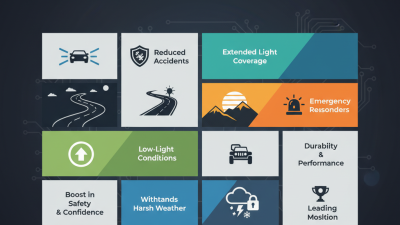
Global vehicle production reached 93.5 million units in 2023, according to the International Organization of Motor Vehicle Manufacturers (OICA). This scale creates strong demand for reliable, energy-efficient lighting across passenger cars, trucks, and specialty vehicles. Auto Led Lights attract buyers because they offer fast illumination, compact designs, and flexible styling. They can also reduce electrical load when correctly engineered. The U.S. Department of Energy reports that LED technology uses at least 75% less energy and can last up to 25 times longer than incandescent lighting. This benchmark does not guarantee identical results in vehicles. Automotive conditions are harsher.

A dependable product must survive vibration, rain, dust, heat, and repeated temperature changes. It should also provide stable brightness without distracting glare. UNECE lighting regulations, including Regulations No. 112 and No. 149, show why beam control and photometric testing matter. In the United States, Federal Motor Vehicle Safety Standard No. 108 sets additional requirements for lamps, reflective devices, and associated equipment. Global buyers should therefore examine testing records, ingress protection, thermal management, connector quality, and vehicle compatibility. Certification claims need verification, not attractive packaging.

The cheapest option may become expensive after one failed installation.

I have seen buyers focus on lumen numbers alone. That approach can mislead. A higher number does not always create better road visibility. Beam pattern, color stability, heat dissipation, and correct alignment matter more in real driving. Auto Led Lights can be a practical upgrade, but only when performance data, legal compliance, and after-sales support are evaluated together. The market is promising, yet some product claims remain difficult to compare. That deserves careful review.
Why Choose Auto LED Lights for Global Buyers?

What Are Auto LED Lights and How Do They Work?

Why Choose Auto LED Lights for Global Buyers?

What Are Auto LED Lights and How Do They Work?

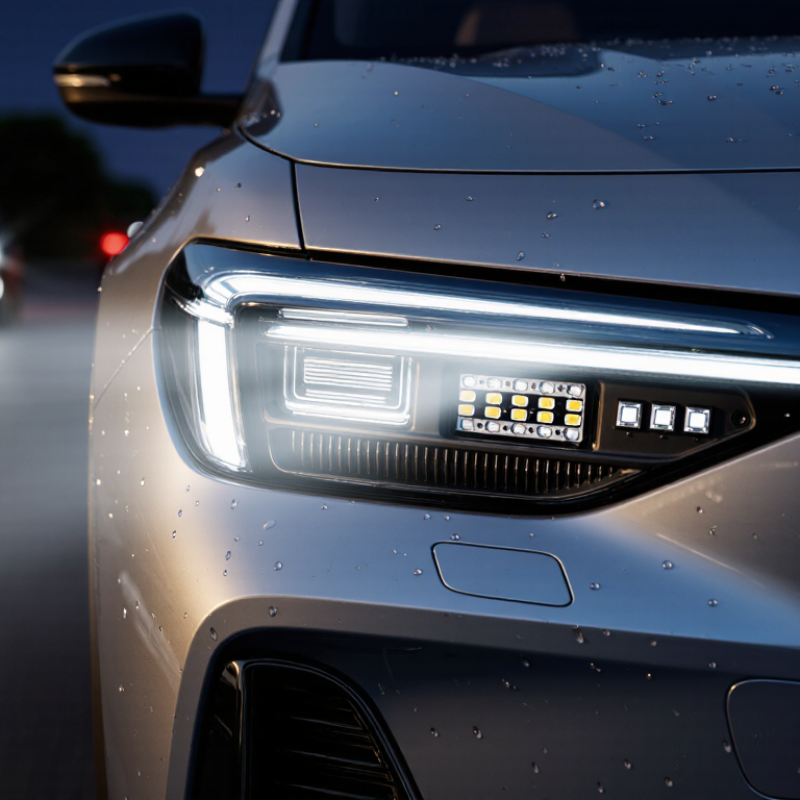
Auto LED lights are solid-state lighting units used for headlights, daytime running lights, fog lamps, and signals. Unlike halogen bulbs, they create light when current passes through a semiconductor. A driver controls the current, while lenses and reflectors shape the beam. Heat sinks move heat away from the LED chip.

The U.S. Department of Energy reported laboratory white-LED efficacy above 200 lumens per watt in its 2023 Solid-State Lighting R&D report. However, complete automotive systems perform below laboratory figures. Wiring, optics, thermal control, and weather conditions reduce real output. This difference matters to global buyers. A bright chip alone does not guarantee a safe beam.

LED systems usually respond quickly and can use less electrical power than traditional lighting. The International Energy Agency states that LEDs can reduce lighting electricity use by up to 75% compared with incandescent technology. Automotive results vary. Vehicle design and operating temperature still matter.

A practical inspection should check beam cutoff, color stability, heat dissipation, and connector quality. Look for test records, not attractive packaging. UNECE lighting regulations also show why photometric compliance matters across markets. Some products may fit physically but fail optical requirements. That mistake is easy to make. Even experienced buyers should verify compatibility, road rules, and measured performance before purchasing.
Why Are Auto LED Lights Preferred by Global Buyers?

Why Are Auto LED Lights Preferred by Global Buyers?

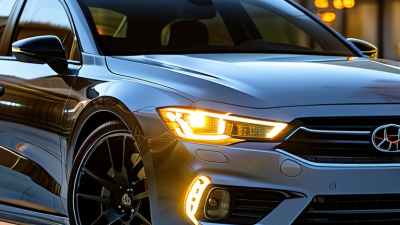
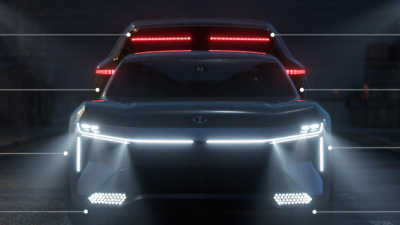
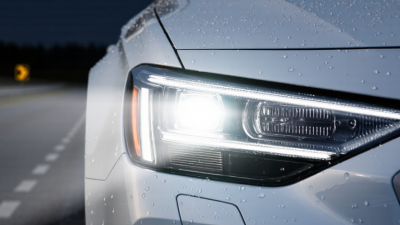
Global buyers often prefer auto LED lights because they deliver bright, immediate illumination with lower power consumption. Their crisp beam can make road signs, lane markings, and roadside hazards easier to notice at night. Many drivers also value their compact design and long service life. LEDs produce less heat around the light source than some traditional bulbs, although the housing still needs effective heat management.

From a practical fitting perspective, buyers look beyond brightness. They check socket compatibility, beam alignment, weather sealing, and vibration resistance. A poorly matched lamp can create glare or uneven lighting. That is not a small problem. Reliable suppliers should provide clear specifications, testing information, and guidance for different vehicle systems. Buyers should also confirm local lighting requirements before installation. Preferences differ between regions, and one setup may not suit every road condition.

Tips: Compare lumen output with beam pattern, not numbers alone. Inspect the connector, cooling structure, and sealing quality. Test the lights at night after installation, then adjust the aim carefully. A brighter lamp is not always a better lamp. Sometimes, I think buyers focus too much on appearance and overlook fitment. That mistake can reduce performance, increase replacement costs, and create avoidable safety concerns.

What Performance and Safety Benefits Do They Offer?

Why Choose Auto LED Lights for Global Buyers?
What Performance and Safety Benefits Do They Offer?
Auto LED lights can improve visibility with a sharper, whiter beam. Drivers often notice road edges, signs, and cyclists sooner. Their instant start also helps during quick braking or sudden lane changes. LED systems usually consume less power than older lighting technologies. This can reduce electrical load while maintaining strong illumination. Useful on long night drives.
In practical fitting work, heat management matters as much as brightness. Quality housings use heat sinks and sealed connectors to control temperature and moisture. Stable thermal performance supports consistent output over time. A precise beam pattern is equally important. Bright light without proper aiming can create dangerous glare for oncoming drivers. Brighter is not always safer.
Buyers should check voltage compatibility, connector design, and vehicle communication requirements before installation. They should also confirm local approval rules and adjust the lamps after fitting. A clean cutoff protects other road users. Weather resistance helps when rain strikes a hot lens. However, advertised service life may assume ideal cooling and careful installation. Real roads are less forgiving. Even a well-designed lamp can perform poorly when mounted loosely, aimed incorrectly, or paired with a weak electrical system.

How Do Auto LED Lights Meet International Market Needs?

Why Choose Auto LED Lights for Global Buyers?

How Do Auto LED Lights Meet International Market Needs?

Auto LED lights suit international vehicles because they combine low power demand, long service life, and precise beam control. The U.S. Department of Energy’s 2023 SSL R&D Plan reports that LED lighting can use at least 75% less energy and last up to 25 times longer than incandescent technology. Automotive results vary, but the direction is valuable for buyers managing fuel use, battery load, and maintenance costs.

International markets also need flexible engineering. A reliable lamp should support common 12V or 24V systems, stable thermal control, sealed housings, and tested electromagnetic compatibility. UNECE Regulation No. 149 defines requirements for road illumination devices, while regional rules may differ in testing and marking. Buyers should check photometric files, ingress protection data, and installation records before placing large orders. Brightness alone is not enough.

Tips: Ask for beam-pattern reports, temperature-cycle results, and clear compliance documents. Confirm connector types and warranty terms. Small details matter.

The IEA’s Global EV Outlook 2024 recorded more than 14 million electric-car sales in 2023. This growth increases interest in efficient auxiliary lighting, especially where every watt supports vehicle range. Still, LED is not automatically superior. Poor heat dissipation can shorten life, and an overly bright beam can create glare. That weakness deserves honest review. Experience from fleet installation shows that fit, calibration, and local road conditions often decide performance.

Why Choose Auto LED Lights for Global Buyers? - How Do Auto LED Lights Meet International Market Needs?
Market Requirement Relevant LED Feature Typical Technical Data International Market Value Buyer Considerations
Vehicle Compatibility Wide-range input design Common automotive systems: 12 V and 24 V DC Supports passenger cars, motorcycles, commercial vehicles, buses, and trucks across different regions. Confirm the vehicle voltage, socket type, polarity, CAN bus requirements, and available installation space before purchase.
Energy Efficiency Lower electrical consumption than many conventional halogen applications Often approximately 20–80% lower power consumption, depending on the application and comparison lamp Helps reduce alternator load and supports fuel-efficiency or battery-management objectives. Compare measured light output and beam performance, not power consumption alone.
Service Life Solid-state light source with no filament LED components are commonly specified for 20,000–50,000 hours under controlled conditions Reduces replacement frequency and maintenance requirements in passenger and fleet vehicles. Actual life depends on heat management, operating temperature, current control, vibration, and product quality.
Thermal Management Aluminum heat sink, thermal interface, or active cooling system Thermal design is required to keep LED junction temperature within the component maker’s limit Improves light stability and helps maintain performance in hot climates, engine compartments, and long-distance fleet use. Review heat-sink dimensions, fan reliability where applicable, airflow requirements, and thermal test results.
Environmental Protection Sealed housing and protected connectors Common target ratings include IP65, IP67, or IP68, depending on the product design Provides resistance to dust, rain, splash water, and temporary water immersion when the specified rating applies. An IP rating applies to the tested configuration; installation seals and cable connections must also be protected.
Lighting Performance Directional optical design and stable color output Common white-light color temperatures: approximately 4,000–6,500 K Offers options for different visibility preferences, vehicle applications, and regional product specifications. Color temperature does not directly indicate brightness. Beam pattern, glare control, luminous flux, and road compliance are essential.
Fast Response Electronic semiconductor switching Near-instant light activation, typically faster than incandescent filament lamps Can improve signaling visibility for brake, turn-signal, and warning-light applications. For turn signals, verify load compatibility and use an appropriate flasher or resistor solution when required.
Vibration Resistance Solid-state construction with reinforced solder joints and connectors No fragile filament; qualification commonly includes vibration and mechanical shock testing Suitable for uneven roads, commercial fleets, off-road vehicles, and motorcycles when properly engineered. Request application-specific vibration data because performance varies by housing, mounting method, and electronics.
Regulatory Compliance Product testing and documentation for the destination market Potential requirements include ECE, SAE, electromagnetic-compatibility, and national vehicle-lighting rules Supports import clearance, distributor qualification, and legal vehicle use in different countries. Requirements differ by lamp category and intended use. A replacement bulb may not automatically be legal in every headlamp housing.
Electromagnetic Compatibility Filtered driver circuitry and controlled switching Designed to limit conducted and radiated interference when tested to the applicable requirements Reduces the risk of radio noise, dashboard errors, sensor interference, and compatibility problems. Ask for EMC test evidence and vehicle compatibility information, especially for newer vehicles with sensitive electronics.
Global Supply and Installation Multiple socket formats, harness options, and multilingual documentation Common automotive bases include H1, H3, H4, H7, H8/H9/H11, HB3, HB4, and others Enables distributors to serve different vehicle populations and regional replacement markets. Socket naming does not guarantee interchangeability. Check dimensions, locking tabs, optical position, and vehicle fitment.
Sustainability Longer replacement intervals and reduced material use over the service period Potentially fewer replacement lamps and less packaging waste over the product life Supports fleet maintenance strategies and environmental targets when reliable lifetime performance is achieved. Evaluate total life-cycle impact, including driver electronics, cooling components, packaging, and end-of-life recycling.
Note: Technical values are typical industry ranges or design targets rather than universal specifications. Actual performance, legality, and compatibility depend on the specific product, vehicle, installation method, and destination-market regulations.

What Should Buyers Consider Before Choosing Auto LED Lights?

Why Choose Auto LED Lights for Global Buyers?

What Should Buyers Consider Before Choosing Auto LED Lights?

Choosing auto LED lights is less about brightness than fit, safety, and dependable performance. Buyers should verify the vehicle’s socket, voltage range, and installation space. A lamp may fit the listing but still touch a dust cover or cooling fan. Measure before ordering. Check the beam pattern, not only the lumen number. A sharp cutoff can improve visibility without disturbing oncoming drivers. Local lighting rules differ, so approval markings and permitted color temperatures need careful review.

Heat management is often overlooked. LEDs produce less visible heat than halogen bulbs, but their electronics still need cooling. Look for suitable heat sinks and stable performance during extended testing. Test it carefully. Run the lights for thirty minutes, then inspect flicker, odor, and connector temperature. Weather resistance matters too. A sealed housing and suitable ingress rating can help during rain and car washing. However, a high rating cannot fix poor wiring or a loose seal.

Vehicle compatibility can be complicated. Some cars may show warning messages, flicker, or switch the lamp off. Confirm whether adapters are required, and request a wiring diagram. Reliable sellers should provide test data, installation guidance, warranty terms, and traceable product information. Do not trust every perfect claim. Independent reviews and documented compliance offer stronger evidence. I would also compare beam photos from the driver’s position, because showroom brightness can hide uneven road coverage. The brightest option is not always the safest choice.