Leave Your Message

Why Are Auto LED Lights Popular Among Global Buyers?

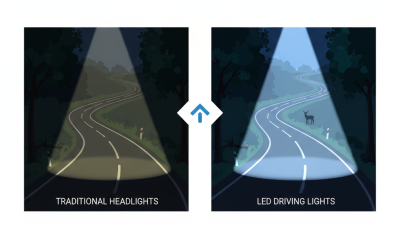
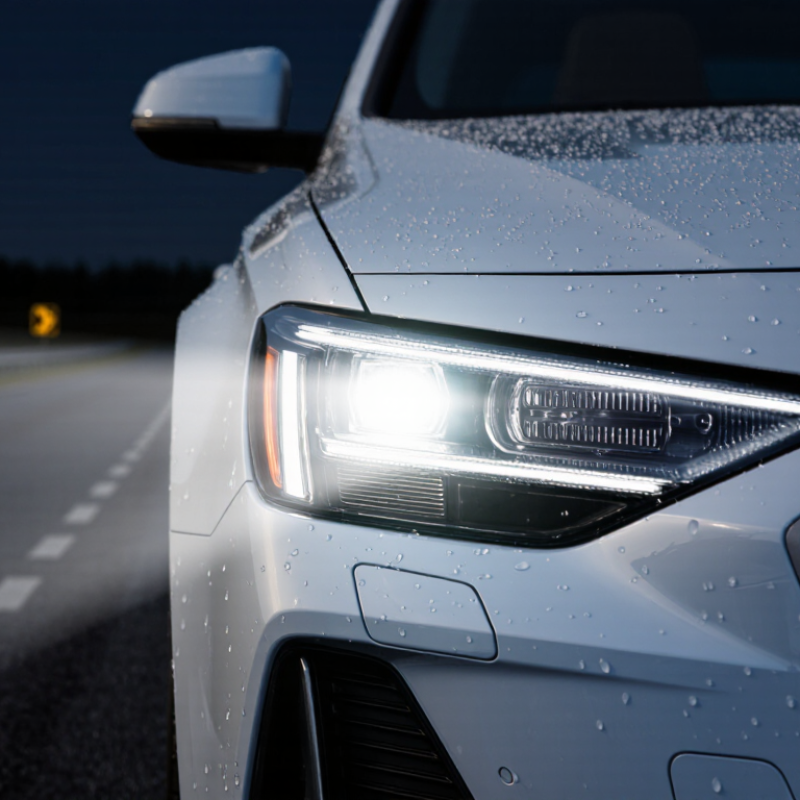
Auto LED Lights have moved from a specialist upgrade to a mainstream choice for drivers worldwide. Their appeal is easy to see: a crisp white beam, lower energy consumption, and a compact housing that fits modern vehicle designs. In a dark rural road, quality LED headlights can reveal lane markings, roadside signs, and unexpected hazards earlier. However, brightness alone does not guarantee safety. Beam control matters more.

Daniel Stern, an automotive lighting consultant, has emphasized, “Better light is useful only when it improves visibility without creating glare.” This principle remains important for global buyers. Reliable Auto LED Lights should provide stable output, effective heat management, accurate beam alignment, and compatibility with the vehicle’s electrical system. Buyers also consider long service life, weather resistance, simple installation, and consistent performance during rain or winter temperatures.

There is no perfect product.

Some inexpensive lamps advertise extreme brightness but produce scattered light. That can distract oncoming drivers and reduce real road visibility. Therefore, experienced buyers examine test results, certifications, warranty terms, and installation instructions rather than trusting marketing claims. Regional road regulations also differ, so a product suitable for one market may require review elsewhere. This is an area where shoppers, including professionals, can still make mistakes.

The growing popularity of Auto LED Lights reflects a wider demand for efficient, durable, and carefully engineered vehicle lighting. Yet the best choice is not always the brightest one. It is the lamp that delivers controlled illumination, dependable operation, and responsible road performance.
Why Are Auto LED Lights Popular Among Global Buyers?

What Are Auto LED Lights and How Do They Work?

Auto LED lights are solid-state lighting units designed for vehicle headlamps, daytime running lamps, fog lamps, and signal functions. Unlike halogen bulbs, LEDs create light when electric current passes through a semiconductor junction. A driver module controls current, while a lens and reflector shape the beam on the road. Heat sinks or cooling fans remove heat from the diode. The light may look cool and bright, but brightness alone is not performance.

The U.S. Department of Energy reports that LED products use at least 75% less energy and can last up to 25 times longer than incandescent lighting. This figure is not a perfect automotive comparison, because vehicle lamps face vibration, moisture, temperature changes, and strict beam requirements. Still, the efficiency advantage helps reduce electrical load. It can also support compact lamp designs. Sometimes, however, poor thermal control shortens service life.

A practical inspection should check beam focus, color stability, wiring quality, and heat management. A badly aligned LED can create glare instead of useful visibility. The National Highway Traffic Safety Administration has repeatedly emphasized correct headlamp aim as a key visibility and glare factor. Auto LEDs work through a complete system, not a brighter chip alone. That distinction is easy to miss. Industry market reports also identify energy efficiency, longer service intervals, and styling flexibility as major demand drivers, though forecast figures vary between research firms.

Why Are Auto LED Lights Popular With Global Buyers?

Why Are Auto LED Lights Popular Among Global Buyers?

Auto LED lights are popular with global buyers because they offer clear illumination, lower power use, and compact design. Drivers often notice a whiter beam on dark roads, especially near poorly lit rural areas. LEDs reach full brightness quickly. That response can make brake and signal lights easier to notice. Small housings also give vehicle designers more room for practical styling.

However, brightness alone does not prove quality. Experienced installers check the beam pattern, color stability, heat control, and electrical compatibility before fitting a lamp. A poorly aimed LED can glare into oncoming traffic. That is unsafe and may fail local road rules.

Reliable products should include measured performance details, suitable connectors, and clear installation instructions. Buyers should confirm approval requirements in their own markets.

In hot cities, cooling design matters. In cold regions, seals and starting performance matter more. A good lamp should handle vibration, rain, dust, and repeated switching. Many buyers value longer service life because replacing a lamp in a remote area is inconvenient. Still, LED lifespan claims can be optimistic. Real results depend on voltage, temperature, and installation quality. I would not judge a light from photos alone; road testing and transparent data reveal much more.

What Benefits Do Auto LED Lights Offer Compared With Halogen Bulbs?

Auto LED lights are popular because they deliver practical advantages over traditional halogen bulbs. LEDs produce strong, focused illumination with less electrical power. This can reduce the load on a vehicle’s lighting system. Their near-instant response also improves visibility when drivers brake or signal. Every fraction of a second matters.

Halogen bulbs create considerable heat and usually need replacement more often. Quality LED units can last much longer under suitable operating conditions. They also offer clearer color rendering, helping drivers notice road markings, signs, and obstacles at night. However, brighter does not always mean safer. Poorly designed LEDs may create glare or an uneven beam. This is where many upgrades fail.

Tips: Check the lamp’s compatibility, beam pattern, and heat dissipation before installation. Confirm correct alignment after fitting. Avoid choosing only by advertised brightness. A cooler white tone may look modern, but it can perform poorly in rain or fog. LED lights are not perfect, either. Some vehicles may need extra electrical adjustments, and low-quality components can lose performance quickly. Careful testing on a dark road reveals more than packaging claims.

Which Factors Influence Auto LED Light Selection Worldwide?

Why Are Auto LED Lights Popular Among Global Buyers?

Which Factors Influence Auto LED Light Selection Worldwide?

Global buyers rarely choose auto LED lights for brightness alone. The IEA’s Global EV Outlook 2024 recorded nearly 14 million electric-car sales in 2023, a 35% annual increase. More electrified vehicles are increasing demand for efficient, compact lighting systems. However, vehicle type, climate, driving habits, and replacement access still shape purchasing decisions.

Beam accuracy is often more important than headline lumen figures. Poorly focused light can create glare, while weak thermal control can reduce service life. Buyers also compare color temperature, starting speed, vibration resistance, connector fit, and compatibility with onboard electronics. UNECE lighting regulations and national photometric requirements add another filter. A lamp may fit physically but fail practical testing. That detail is easy to miss.

Tips: Check the beam pattern against the original lamp, not only the advertised wattage. Review independent test data, IP protection, heat-sink design, and warranty terms. The U.S. Department of Energy’s solid-state lighting reports consistently link LED performance with thermal management and optical control. Still, laboratory figures do not always predict dusty roads or freezing mornings. A sensible buyer should leave room for doubt. Cheap conversion kits may look attractive, but unstable output and poor fit can create extra costs later.

Why Are Auto LED Lights Popular Among Global Buyers? - Which Factors Influence Auto LED Light Selection Worldwide?

Evidence-based comparison of the main technical, regulatory and practical factors considered when selecting automotive LED lighting.

Selection Factor Common Technical Benchmark Why It Matters to Global Buyers Typical Buyer Priority Relevant Market or Use-Case Consideration
Energy Efficiency LED systems generally convert a higher share of electrical power into usable light than halogen systems, reducing power demand for equivalent illumination. Lower electrical load can reduce stress on the vehicle charging system and support more efficient operation. Very High Especially important for vehicles with limited alternator capacity, auxiliary lighting, or frequent night-time operation.
Service Life Quality automotive LED modules are commonly specified for approximately 15,000–50,000 operating hours, depending on thermal design and operating conditions. Longer service intervals reduce replacement frequency, maintenance labor and downtime. Very High Commercial fleets, buses, trucks and off-road vehicles place particular value on extended operating life.
Light Output Buyer comparisons commonly use measured lumens, beam intensity and road illumination rather than wattage alone. Higher measured output can improve visibility, but excessive glare or poorly controlled light can reduce road safety. Very High Headlamp selection should consider beam pattern, cutoff performance and compliance with applicable road regulations.
Color Temperature Automotive LED products are frequently offered around 5,000–6,500 K, while warmer color temperatures can provide better contrast in rain, fog and dust. Color temperature affects perceived brightness, visual comfort, weather performance and the appearance of the vehicle. High Wet, foggy, snowy and dusty environments may favor balanced white light over extremely blue-white output.
Heat Management Heat sinks, thermal pads, fans or passive cooling structures are used to keep LED junction temperature within the specified operating range. Excessive heat can reduce brightness, accelerate lumen depreciation and shorten component life. Very High Hot climates, enclosed headlamp housings and slow-moving vehicles require careful thermal design.
Voltage Compatibility Most automotive retrofit applications are designed for nominal 12 V systems; heavy-duty vehicles commonly use nominal 24 V systems. Correct voltage range prevents flicker, overheating, premature failure and electrical faults. Very High Passenger cars, motorcycles, agricultural machinery, trucks and buses may use different electrical architectures.
Electromagnetic Compatibility Automotive lighting should control electromagnetic emissions and immunity in line with applicable vehicle EMC requirements, such as UN Regulation No. 10 where adopted. Poor EMC performance may interfere with radios, sensors, dashboard electronics or driver-assistance systems. High Modern vehicles with digital control modules and advanced electronic systems require stable, low-interference lighting.
Water and Dust Protection Outdoor automotive lamps are often evaluated using ingress-protection ratings such as IP65, IP66 or IP67 under IEC 60529 testing methods. Sealed construction helps protect the circuit, connector and optics against rain, washing, dust and temporary water exposure. Very High Coastal, tropical, desert, mining and off-road applications generally demand stronger environmental protection.
Vibration and Shock Resistance Automotive lighting must withstand vibration, road shock and repeated thermal cycling during vehicle operation. Mechanical durability is essential for maintaining electrical connections and beam alignment over time. High Heavy-duty, agricultural, construction and off-road vehicles usually experience more severe vibration than passenger vehicles.
CAN Bus and Error-Free Operation Some vehicles monitor bulb current and may require load adaptation, anti-flicker circuitry or compatible drivers after an LED retrofit. Compatibility helps prevent dashboard warnings, flashing, delayed activation and irregular dimming. High Important for newer vehicles with electronic lighting control, bulb-out detection and pulse-width modulation.
Installation and Retrofit Fit Buyers check bulb type, base dimensions, connector design, heat-sink clearance and housing depth before installation. A direct-fit product reduces installation time and avoids modifications to the original lamp housing. Very High Fitment requirements vary by vehicle model, lamp housing design and local aftermarket regulations.
Regulatory Compliance Road-legal lighting may need to satisfy national or regional requirements covering beam pattern, photometry, color, marking and installation. Compliance reduces the risk of inspection failure, traffic penalties and unsafe glare to other road users. Very High Requirements differ across regions; buyers should verify approval rules before using retrofit products on public roads.
Warranty and Quality Assurance Buyers commonly compare stated operating life, test documentation, rated temperature range and warranty coverage. Clear technical documentation increases confidence and lowers the perceived risk of premature failure. High Fleet operators and professional installers generally require traceable specifications and consistent batch quality.
Total Cost of Ownership Assessment includes purchase price, installation, energy consumption, maintenance, replacement frequency and vehicle downtime. A higher initial price may be justified when the product provides longer life, lower maintenance and stable performance. Very High Operating hours, fuel or energy costs, labor rates and access to replacement parts influence the final decision.

Data basis: The benchmarks summarize widely used automotive engineering specifications, IEC 60529 ingress-protection classifications, vehicle EMC principles and common automotive lighting design practices. Actual performance depends on the vehicle, installation method, operating temperature, road regulations and product testing conditions.

What Should Buyers Consider Before Purchasing Auto LED Lights?

Why Are Auto LED Lights Popular Among Global Buyers?

Before purchasing auto LED lights, buyers should verify fitment, beam pattern, and electrical compatibility. A socket may look correct but still fail inside a narrow housing. Fitment comes first. Check the vehicle manual and measure available space around the lamp. Some LED units require extra clearance for cooling fans or heat sinks.

Brightness deserves careful judgment. A higher lumen rating does not guarantee better visibility on wet roads or dark rural routes. The beam must remain controlled, without shining into approaching drivers’ eyes. Look for clear product specifications, tested light distribution, and suitable color temperature. Heat matters. Reliable thermal management can reduce performance loss during long night drives. In my experience, poor cooling often appears after several weeks, not during installation.

Buyers should also inspect sealing quality, connectors, and resistance to vibration. Water entering a headlamp housing can cause flickering or early failure. Confirm whether the light works with the vehicle’s monitoring system, since warning messages or unstable operation may occur. Check installation instructions before modifying wiring. Professional help is sensible when access is difficult. Road-use requirements differ between countries and regions, so verify local approval rules before driving. A cheaper option may seem attractive, but warranty terms, testing records, and replacement support deserve equal attention. I would still question impressive claims without independent evidence.