Leave Your Message

2026 Top LED Fog Lights for Cars and Trucks

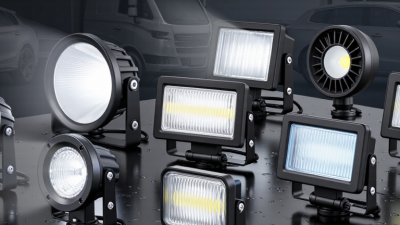
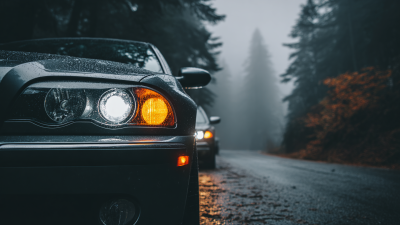
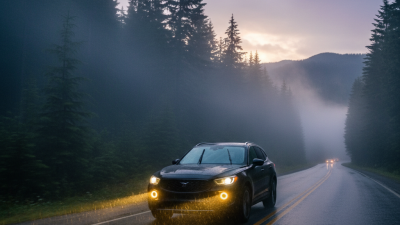
Rain beads on the windshield, lane markings fade, and spray from a passing truck blurs the road ahead. These conditions make carefully selected Fog Lights worth considering for cars and trucks in 2026. A useful upgrade starts with a controlled beam pattern, compatible fitment, and reliable sealing against water and road grime. Brightness alone tells you surprisingly little about how well a light illuminates the pavement. Beam placement matters. Excessive upward scatter can create glare and make wet-weather driving more tiring.

This guide compares LED fog light options using practical criteria: beam control, mounting compatibility, thermal management, and documented specifications. For a pickup facing muddy access roads, sturdy brackets and accessible wiring connections deserve attention. A daily commuter may benefit more from straightforward installation and a clean beam cutoff. Check the housing dimensions, connector type, and available clearance before ordering. Some vehicles also need compatible electronics to prevent dashboard warnings or flickering. Manufacturer lumen claims need context because measurement methods and operating temperatures can differ. Independent beam measurements are more useful when their testing conditions are clearly explained.

There are compromises. A cooler white light may look crisp, but appearance does not establish better visibility in fog. Yellow light is not automatically superior either; beam design and appropriate output still matter. The best choice depends on your vehicle, driving conditions, and applicable local requirements. Fitment advice can also be imperfect, particularly when trim levels use different housings. Confirm details before buying, and check alignment after installation. Fog lights support visibility; they cannot remove the need to slow down when conditions deteriorate.
2026 Top LED Fog Lights for Cars and Trucks

How LED Fog Lights Work in Cars and Trucks

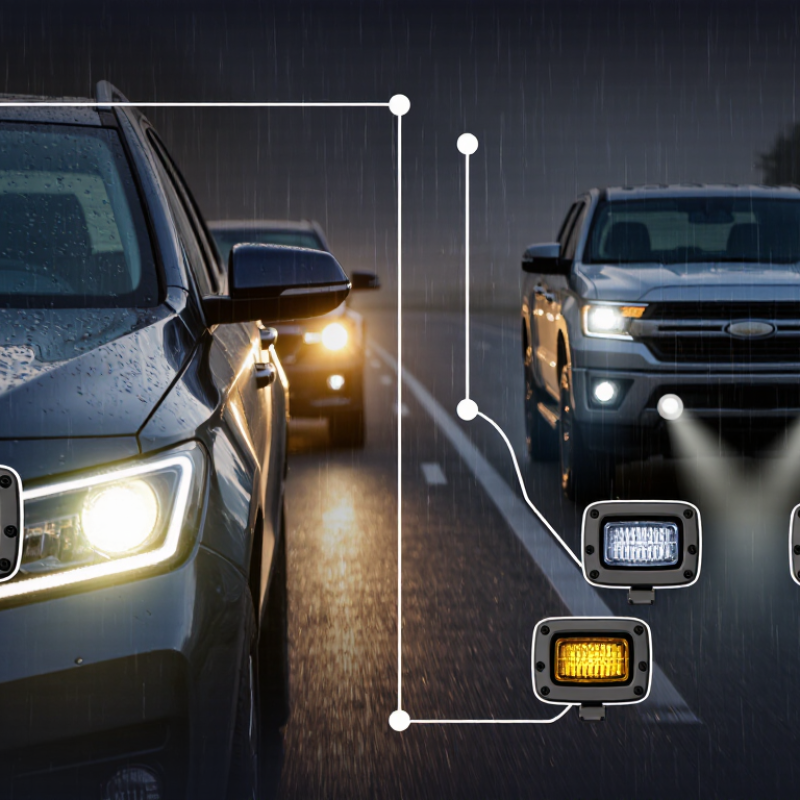
LED fog lights use light-emitting diodes to turn electrical energy into light. Inside each housing, reflectors or projector lenses shape that light into a wide, low beam. Mounted near the lower bumper, they illuminate road edges and nearby lane markings beneath the main headlight beam.

Beam shape matters. A controlled upper cutoff limits stray light that can reflect from suspended water droplets toward your eyes. LEDs also generate heat, so heat sinks help protect the chips and maintain consistent output.

On a foggy road, useful illumination might reveal a wet curb, faded paint, or the edge of a gravel shoulder. However, fog lights cannot restore normal visibility or replace an appropriate driving speed. More brightness can actually make the view worse when poorly controlled light creates glare.

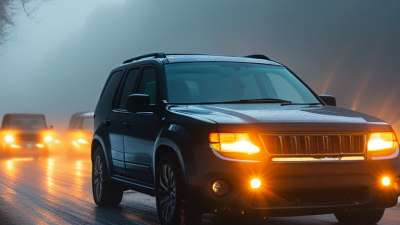
Yellow light may feel more comfortable to some drivers, but color alone does not determine performance in fog. That distinction is easy to overlook when comparing specifications. A high lumen number looks convincing, yet it says little about where the light lands.

Tips:
  • Check fitment, weather seals, and the manufacturer’s aiming instructions before choosing lights for a car or truck.
  • Check compatibility carefully. An LED bulb placed inside a housing designed for another light source may produce an uneven beam.
  • After installation, inspect the pattern and adjust it according to the vehicle’s specifications.
  • Recheck after loading heavy cargo, since rear suspension sag can raise the beam.

Key Features for Comparing LED Fog Lights in 2026

Comparing LED fog lights in 2026 starts with beam control, not the largest lumen number. The Federal Highway Administration’s Road Weather Management data show why visibility matters. Across 2007–2016, fog contributed to an annual average of 25,451 crashes on American roads. These historical figures provide context, rather than a forecast for 2026. Check the beam. Look for a controlled upper boundary and useful illumination across the lane edges. Excess upward light can increase distracting backscatter in fog.

Compare measured output, electrical draw, and operating temperature together. Lumens describe total light output; lux readings show how much reaches a particular surface. Request a beam map with its measurement distance clearly stated. A bare lumen claim leaves too much unanswered.

Color needs context. A 3,000 K option looks yellow, while 6,000 K appears cooler and whiter. Neither specification alone proves better visibility. Housing design, aiming, and weather conditions also affect performance.

For cars and trucks, inspect mounting depth, connector compatibility, and clearance around cooling components. The International Electrotechnical Commission’s IEC 60529 standard defines IP67 immersion testing at one meter for 30 minutes. That rating does not establish resistance to every pressure washer or winter salt exposure. Ask whether published output was measured after the lamp reached operating temperature. One weakness remains: laboratory comparisons cannot reproduce every wet road, dirty lens, or poorly adjusted mounting bracket.

Top LED Fog Light Types for Different Driving Conditions

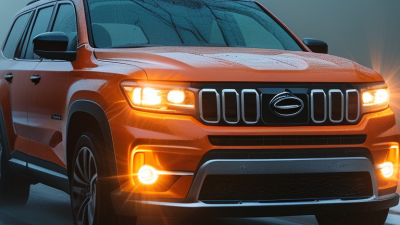
For foggy roads, selective yellow LED fog lights around 3,000K are a practical option for cars and trucks. Look for a wide, low beam with a defined upper cutoff that limits upward light. Beam control matters. Yellow light may feel less harsh, but color alone does not guarantee better visibility through dense fog. A poorly aimed yellow lamp can still create distracting glare against suspended droplets. Compare beam-pattern images and documented output measurements rather than choosing by advertised lumens alone.

For rain and mixed suburban driving, neutral white LEDs around 4,000K–4,500K offer another useful option. Their light can make road edges and faded markings easier to distinguish, depending on pavement and weather. Wet asphalt complicates things. Reflections can reduce contrast, so extra brightness may provide less benefit than expected. Check the beam on level ground, following the vehicle manufacturer’s aiming procedure. An LED bulb placed inside an incompatible halogen housing may scatter light, even when its claimed output looks impressive.

For snowy routes and muddy truck use, prioritize sealed housings, corrosion-resistant connectors, and secure mounting hardware. An IP67 rating describes tested dust and water resistance; it does not establish beam quality or road-use approval. Check local requirements and compatibility with your specific vehicle before installation. LEDs also produce less forward heat than halogen lamps, so snow may remain on some lenses. Heated lenses can help, although their added cost deserves consideration if winter driving is only occasional.

How to Choose LED Fog Lights for Your Car or Truck

Choosing LED fog lights for your car or truck starts with fitment, not the biggest lumen number. Check your owner’s manual for the bulb type, then measure clearance behind the fog-light housing. Compact cars may leave little room for cooling fans, while trucks can have different mounting brackets across trim levels. Check the connector, too. An LED bulb that fits the socket may still produce a poor beam in a housing designed for halogen bulbs.

Beam control matters. Look for a wide, low pattern with a clear upper cutoff that limits glare. More brightness cannot correct scattered light, and advertised lumen figures alone reveal little about usable road illumination. Color temperature deserves thought. Around 3,000 K appears yellow, while 4,000–5,000 K looks more neutral; neither guarantees better visibility in fog. Housing design and careful aiming matter more than color alone.

For wet roads and winter driving, check the complete assembly’s sealing, corrosion protection, and published operating-temperature range. An IP rating describes specific laboratory conditions; it does not promise permanent protection against leaks. Before buying, verify road-use approval for your location and compatibility with your vehicle’s electrical system. After installation, follow the manufacturer’s aiming procedure and check for dashboard errors or flickering. A garage-wall check can reveal obvious scatter, but I would not treat it as proof of correct alignment.

2026 Top LED Fog Lights for Cars and Trucks - How to Choose LED Fog Lights for Your Car or Truck

A brand-free comparison of practical selection criteria for LED fog lights, based on vehicle compatibility, beam control, electrical requirements, and road-use regulations.

Use these criteria to compare specifications for your exact vehicle. This table provides selection guidance rather than product rankings or laboratory test results.
Selection Factor Passenger Cars Trucks and SUVs What to Verify Before Buying
Lamp Type and Fitment Check whether the vehicle uses a replaceable fog-light bulb or a sealed LED lamp assembly. Confirm the original lamp type, mounting brackets, bumper opening, and connector configuration. Match the vehicle year, model, trim, and fog-light option. A matching bulb base alone does not establish optical compatibility or legal suitability.
Beam Pattern Look for a controlled front-fog beam with wide illumination near the road and limited upward light. Prioritize beam control and correct aim, particularly when the lamps are mounted higher above the road. Request beam-pattern information and applicable compliance documentation. A narrow spot beam or uncontrolled flood beam is not a substitute for a compliant road fog lamp.
White or Selective Yellow Choose a permitted light color that suits the vehicle and local requirements. Apply the same color and compliance checks to replacement lamps and added fog lamps. White and selective yellow are recognized front-fog colors under applicable UN lighting rules. A color-temperature claim alone does not establish legal color compliance or better visibility in fog.
Voltage Compatibility Most conventional passenger-car accessory lighting operates on a nominal 12 V electrical system. Many pickups use nominal 12 V systems; some commercial trucks use nominal 24 V systems. Check the actual lighting-circuit voltage and the lamp's specified operating range. A nominal 12 V or 24 V rating is not the same as a fixed operating voltage.
Brightness and Photometry Evaluate useful road illumination and glare control rather than selecting solely by advertised lumens. Use the same approach; a larger vehicle does not automatically require a higher-lumen fog lamp. Lumens describe total luminous flux, while candela describes intensity in a direction. Neither an isolated lumen figure nor a wattage figure proves that a fog lamp meets beam requirements.
Power and Wiring Check rated input power, connectors, circuit protection, and compatibility with the original wiring. For added lamps, verify wire sizing, fuse protection, switching, and any required relay. Confirm whether the stated wattage applies to one lamp or a pair. Follow the vehicle and lamp installation instructions.
Water and Dust Protection Check the housing, connector seals, and protection rating for the installed location. Consider exposure to road spray, mud, and water around bumper-mounted lamps. Under IEC 60529, IP67 indicates dust-tight protection and temporary immersion under specified conditions. IP68 uses immersion conditions specified by the manufacturer. Neither rating alone establishes resistance to pressure washing.
Heat Management Verify clearance for heat sinks, fans, wiring, and any original covers. Check ventilation and heat-sink clearance around bumper brackets and protective accessories. LEDs still generate heat. Confirm the lamp's operating-temperature limits and installation requirements; cooling hardware must fit without obstructing surrounding components.
Vehicle Electronics Check compatibility with bulb-failure monitoring and pulse-width-modulated lighting circuits where fitted. Verify compatibility with the specific truck's lighting controls and diagnostic system. “CAN-bus compatible” is not a universal fit guarantee. Load resistors, when required by an approved installation, generate heat and need suitable mounting.
Mounting and Aim Use secure mounts and follow the applicable aiming procedure for the installed lamps. Recheck aim after suspension changes, changes in tire size, or substantial changes in vehicle load. Follow vehicle instructions and local installation rules. Incorrect aim can create glare even when the lamp itself has a controlled beam pattern.
Road-Use Compliance Check that the complete lamp or permitted replacement configuration is suitable for road use in the relevant jurisdiction. Apply the same checks to factory replacements and auxiliary lamps installed on bumpers or other mounts. Requirements vary by country and, in the United States, by state. Check applicable UN approvals, national rules, or state requirements. A “DOT” claim does not mean that a product has received government preapproval.
Best Use in Fog Use front fog lights only as permitted and appropriate for visibility conditions, together with the required vehicle lighting. Follow the same principles and adjust speed to the distance visible ahead. Fog lights do not make normal driving speeds safe in poor visibility. High beams can increase reflected glare in fog; use the lighting prescribed by local rules and the vehicle handbook.

Buying priority: Confirm legal suitability and exact vehicle fitment first, then compare beam control, electrical compatibility, environmental protection, and installation requirements.

Technical references: IEC 60529 defines IP protection ratings; UN Regulation No. 149 addresses road illumination devices, including front fog lamps; UN Regulation No. 48 addresses lighting installation. The applicable regulation series and local adoption must be checked for the vehicle and market.

U.S. regulatory reference: The National Highway Traffic Safety Administration administers federal vehicle safety standards through a manufacturer self-certification framework. State rules may additionally govern auxiliary fog-lamp installation and use.

LED Fog Light Installation, Beam Alignment, and Road Use Rules

Choosing LED fog lights for 2026 starts with beam control, secure mounting, and compatibility with your vehicle’s electrical system. Brightness alone proves little. The Federal Highway Administration’s 2007–2016 road-weather data recorded approximately 25,451 fog-related crashes annually in the United States. Those crashes involved an annual average of 464 deaths. These historical figures explain the visibility problem; they do not prove that aftermarket LEDs prevent crashes. Look for documented fog-lamp compliance and a controlled beam, rather than impressive lumen claims.

Installation needs care. Park on level ground, check tire pressures, and follow the vehicle’s loading instructions before marking lamp centers on a wall. Use the manufacturer’s specified aiming distance and downward adjustment; a universal “two-inch drop” can produce incorrect alignment. Keep wiring clear of exhaust components, moving suspension parts, and sharp brackets. Fit specified fuses and sealed connectors. An LED bulb that physically fits a halogen housing may still produce excessive glare because its emitters occupy different positions. A wall check helps, but it cannot replace photometric testing.

Check local rules. UNECE Regulation No. 48 specifies a minimum 250 mm mounting height for front fog lamps where applicable. That measurement alone does not establish legal compliance. Permitted lamp combinations, approval requirements, and operating conditions vary by jurisdiction. Use fog lamps only under locally permitted conditions, and avoid high beams in fog because backscatter can reduce visibility. Recheck alignment after suspension changes or impacts, especially when a lifted truck’s lights begin illuminating other drivers’ mirrors.

2026 LED Fog Lights for Cars and Trucks: Beam Alignment Reference

A downward beam angle produces a larger vertical drop as distance increases. This chart shows calculated aiming-reference drops for three example downward slopes. These are geometric reference values, not product performance ratings or universal legal aiming specifications.

At distances of 5, 10, 15, 20, and 25 meters, a 1% downward slope drops 5, 10, 15, 20, and 25 centimeters; a 1.5% slope drops 7.5, 15, 22.5, 30, and 37.5 centimeters; and a 2% slope drops 10, 20, 30, 40, and 50 centimeters.

Reading the chart: At 10 meters, a 1% downward slope places the aiming reference 10 centimeters below its starting height. Calculation: vertical drop (cm) = distance (m) × downward slope (%). Values are calculated from geometry, not measured brightness, visibility range, or stopping distance.

Installation and road use: Follow the vehicle and lamp installation instructions for mounting, wiring, and the correct aiming reference. Check alignment on level ground using the specified vehicle load and tire pressures. Use the prescribed aiming slope for your installation; the examples above are not recommended settings. Confirm local requirements for lamp approval, mounting position, permitted color, switching, and use in reduced visibility. LED technology alone does not establish road legality.