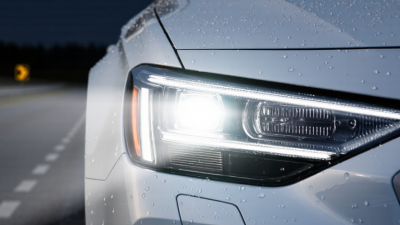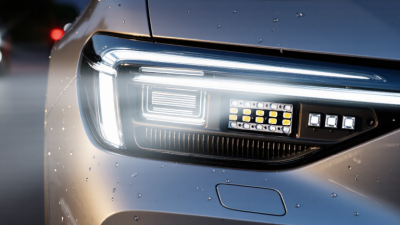
Choosing Led Lights For A Vehicle is not just a styling decision. It can affect how clearly drivers see road edges, signs, and hazards after dark. LED technology also offers practical benefits, though results depend on the complete headlamp design, installation, and vehicle.
The U.S. Department of Energy’s LED lighting guidance reports that LEDs use at least 75% less energy and can last up to 25 times longer than incandescent lighting. Those figures describe general lighting comparisons, not a guarantee for every automotive bulb. Vehicle conditions matter. Heat, vibration, optics, and electrical compatibility can change real-world performance. A bright bulb alone does not ensure a useful beam.
The Insurance Institute for Highway Safety’s headlight evaluations assess visibility on straight and curved roads, along with glare for approaching drivers. This is a helpful reminder: good lighting must illuminate the pavement without shining harshly into someone else’s eyes. A sharply lit lane marker can feel reassuring; poorly controlled light can do the opposite. Not every LED upgrade delivers the same result. Before choosing one, drivers should check product specifications and vehicle compatibility, then consider beam pattern and color temperature—not brightness claims alone. The evidence supports careful selection, rather than assuming newer automatically means safer.
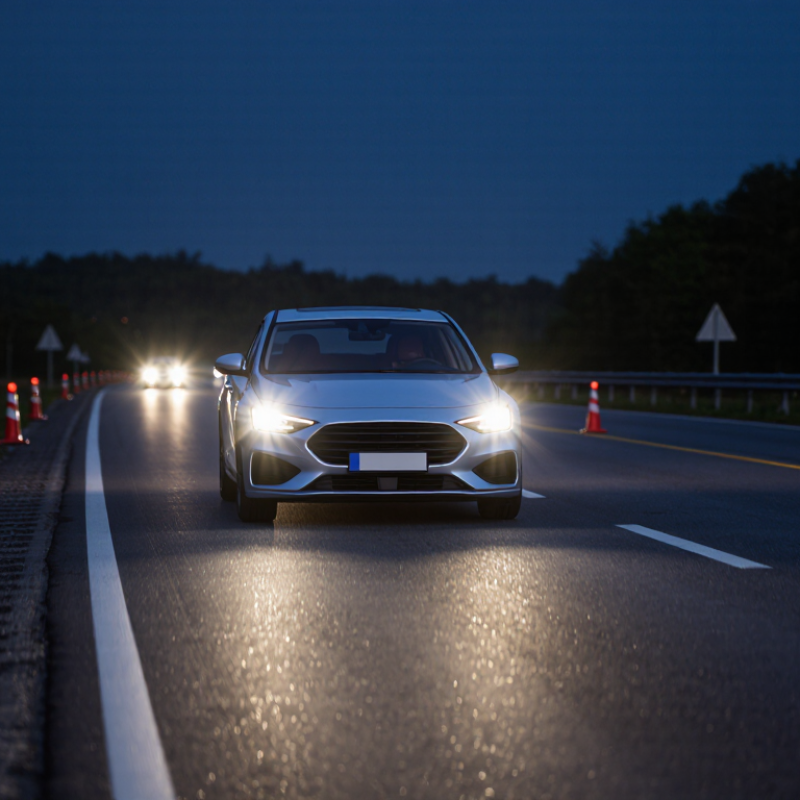
A vehicle LED is a semiconductor light source, not a tiny incandescent bulb. When electrical current passes through its semiconductor junction, electrons release energy as visible light. A driver circuit controls current, while lenses and reflectors shape the beam onto the road. That matters. A sharp cutoff helps keep light directed forward instead of into another driver’s eyes.
The U.S. Department of Energy’s 2022 Solid-State Lighting R&D Opportunities report describes white LED packages reaching roughly 200 lumens per watt in high-performing configurations. That figure measures the light source, not a complete headlamp; optics, wiring, and heat management reduce system performance. In a vehicle, LEDs are mounted on circuit boards, and heat sinks move heat away from the chips. Hot, cramped spaces can still challenge reliability.
LEDs switch on quickly and can be arranged in compact shapes for headlights, brake lamps, and turn signals. Their color and beam pattern depend on the chip and optical design, not simply on brightness. More light is not always better. I’ve found that a cool-white beam can make road signs look crisp, yet wet pavement may still appear harsh or low-contrast. Lamp testing and careful aiming matter as much as the LED itself.
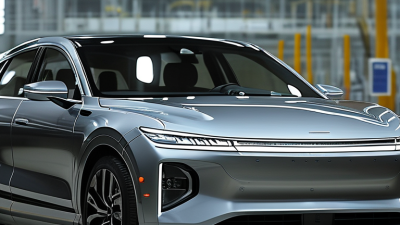
LED lighting can make everyday driving feel clearer, especially on unlit roads. A well-designed headlamp produces a defined beam, helping drivers notice lane markings, roadside signs, and hazards sooner. The beam pattern matters as much as brightness. A light that scatters upward can bother oncoming drivers and make visibility worse.
Brake lights can also benefit from LEDs. They reach full brightness quickly, giving following drivers a clear signal when traffic slows. That matters. Many LED systems use less electrical power than comparable traditional bulbs, and they can last longer under suitable operating conditions. However, lifespan depends on heat management, wiring, and the quality of the complete lamp assembly. LEDs still produce heat at their electronics.
A brighter bulb is not automatically a safer choice. Headlamp housings are designed for particular light sources, so an incompatible replacement may create glare or a poor beam. Fit matters. Check the vehicle manual and choose lighting made for the specific housing. On wet pavement, even strong headlights can reflect off the road and reduce contrast; I have found that familiar routes still demand careful speed and attention. Proper alignment helps, but it cannot remove every limitation.
LEDs serve far more than headlamps. They illuminate daytime running lights, turn signals, brake lamps, reverse lamps, and license plates. Inside, compact LEDs can brighten the instrument panel, map pockets, door areas, and cargo space. That range matters: a clear brake signal or well-lit trunk can make everyday driving tasks easier.
Headlamps deserve particular attention. IIHS research found that vehicles with good-rated headlights had 19% fewer nighttime single-vehicle crashes than vehicles with poor-rated headlights. The rating measures real-world beam performance, not simply whether a lamp uses LEDs. A sharp cutoff, even road coverage, and limited glare matter more than a “bright” appearance. More light is not always better.
Rear lighting also communicates quickly. Red brake lamps warn following drivers; amber turn signals show a planned move; reverse lamps help reveal a dim driveway. NHTSA’s 2022 Traffic Safety Facts: Pedestrians reports that 77% of pedestrian fatalities occurred in dark conditions. That figure underscores visibility’s importance, though it does not prove LEDs alone prevent crashes. Fitment and aiming still matter. Even a capable lamp can disappoint when poorly positioned, or when a lens is cloudy. That part is easy to overlook.
LEDs use less power than many halogen bulbs and often last longer, reducing replacement frequency. They produce bright light quickly, which can help drivers spot road edges, signs, and dark objects. Halogen bulbs remain a practical, low-cost option. Their familiar warm beam is easy to replace, but they typically use more energy and need changing sooner. Small differences matter on a cold, rainy drive.
HID lights can deliver strong illumination, but they usually need a ballast and may take time to reach full brightness. Their intense output is not automatically safer. Poorly matched or aimed lamps can distract other drivers. LEDs also have drawbacks: performance depends on the headlamp’s design, not just the bulb. A bright LED in the wrong housing may scatter light instead of lighting the road clearly. That trade-off is easy to overlook.
Tips: Check compatibility and beam alignment before choosing replacement lights. Compare the low-beam pattern against a wall at night, and adjust it if the cutoff looks uneven. More brightness is not always better.
Why Choose LED Lights for a Vehicle?
Factors to Consider When Choosing Vehicle LED Lights
Choosing vehicle LED lights starts with fit, not brightness claims. Check the bulb type, connector, voltage, and available space behind the headlamp. Some LED units have bulky heat sinks that may not fit a tight housing. A direct fit matters. Also consider whether the light works with your vehicle’s electrical system; certain vehicles may show warning messages or flickering with incompatible bulbs.
Beam pattern is just as important as light output. A bright bulb can still provide poor visibility if its beam does not match the headlamp reflector or projector. Look for a clear cutoff and even illumination across the road, without harsh glare for oncoming drivers. Color temperature affects appearance and comfort, too. Very cool white light may look crisp, but it is not automatically easier to see in rain or fog.
Tips: Compare verified specifications, not just lumen numbers. Check the housing fit before installation.
Heat management and weather resistance affect long-term performance. Review how the light dissipates heat and whether its seals suit the vehicle’s exposure to water and dust. A higher protection rating can be useful, but installation quality still matters. It is easy to focus on brightness and overlook beam alignment; that choice deserves a second look. Have the lights checked and adjusted after installation, and confirm they meet local vehicle lighting requirements.
| Factor | LED Lights | Halogen Lights | What to Consider |
|---|---|---|---|
| Energy use | Typically use less electrical power than halogen lamps for a comparable lighting function. | Convert more of their electrical energy into heat, so they commonly draw more power for similar output. | Check the vehicle’s electrical system requirements and the lamp’s stated power draw. Lower power use does not automatically mean better road illumination. |
| Service life | Can have a long rated life, often measured in tens of thousands of hours, depending on design and operating temperature. | Commonly have a shorter rated life, often around 500–1,000 hours. | Ratings and real-world life vary. Heat, vibration, moisture, driver electronics, and usage patterns can affect longevity. |
| Light output and beam pattern | Can provide strong, efficient illumination when the light source is correctly matched to the reflector or projector optics. | Designed around a filament positioned for the vehicle’s original headlamp optics. | Confirm that the complete lamp or replacement bulb produces a correctly shaped beam. A bright-looking bulb can still create glare or poor visibility if it is incompatible. |
| Color temperature | Commonly available in neutral to cool white tones, often about 4,000–6,500 K. | Usually produces a warmer, yellow-white appearance, often around 2,700–3,200 K. | Higher color temperature does not necessarily mean more usable light. Consider visibility in rain, fog, and other conditions, as well as local regulations. |
| Start-up behavior | Reaches its operating brightness almost immediately. | Also lights immediately, though brightness can change slightly as the lamp warms. | Fast light output can be useful for signaling and braking applications. Verify that the LED is suitable for the specific circuit and function. |
| Heat management | Produces heat at the LED junction and may require a heat sink, fan, or other cooling design. | Produces substantial heat at the bulb and surrounding components. | Check clearance behind the lamp, cooling requirements, and whether the assembly can operate reliably in the vehicle’s temperature range. |
| Fit and electrical compatibility | May require compatible connectors, drivers, or vehicle-specific electronics; some installations can trigger warnings or flicker. | Often matches the original socket and electrical design when replacing an original halogen bulb. | Confirm bulb type, polarity, available space, dust-cover fit, and compatibility with the vehicle’s monitoring system before purchase. |
| Durability and weather protection | Solid-state light sources resist filament breakage, but the complete lamp still depends on its housing, seals, and electronics. | Filaments can be more vulnerable to shock and vibration, while the lamp housing also requires intact seals. | Look for suitable environmental protection and a well-sealed assembly. An IP rating applies only under its specified test conditions. |
| Purchase and replacement cost | Initial cost can be higher, while longer service life may reduce how often replacements are needed. | Usually has a lower initial replacement cost and is widely available. | Compare the cost of the complete compatible unit, installation, and expected service life rather than purchase price alone. |
| Road legality | Approval depends on the vehicle, lamp assembly, light function, and local regulations; not every LED retrofit is permitted in every headlamp. | Replacement bulbs matching the original specification are generally straightforward, but the correct type must still be used. | Check applicable local rules and vehicle documentation. Use approved equipment and have headlamp aim checked after installation. |
Note: Figures and characteristics are typical ranges, not guarantees. Specifications vary by product and vehicle. Always check the vehicle owner’s manual, the lamp documentation, and local regulations.